
The Collection
Peptides for Weight Loss
The five compounds most studied for weight and metabolism: retatrutide, tirzepatide, semaglutide, MOTS-c and tesamorelin. Every vial is checked by an outside lab, and we publish the result for your exact batch.
-
WeightBest Seller

Retatrutide
Advanced Fat-Loss Support
From $78.99This product has multiple variants. The options may be chosen on the product pageSizeAdd to Cart -
WeightBest Seller

Semaglutide
Appetite + Weight Support
From $79.99This product has multiple variants. The options may be chosen on the product pageSizeAdd to Cart -
EnergyBest Seller
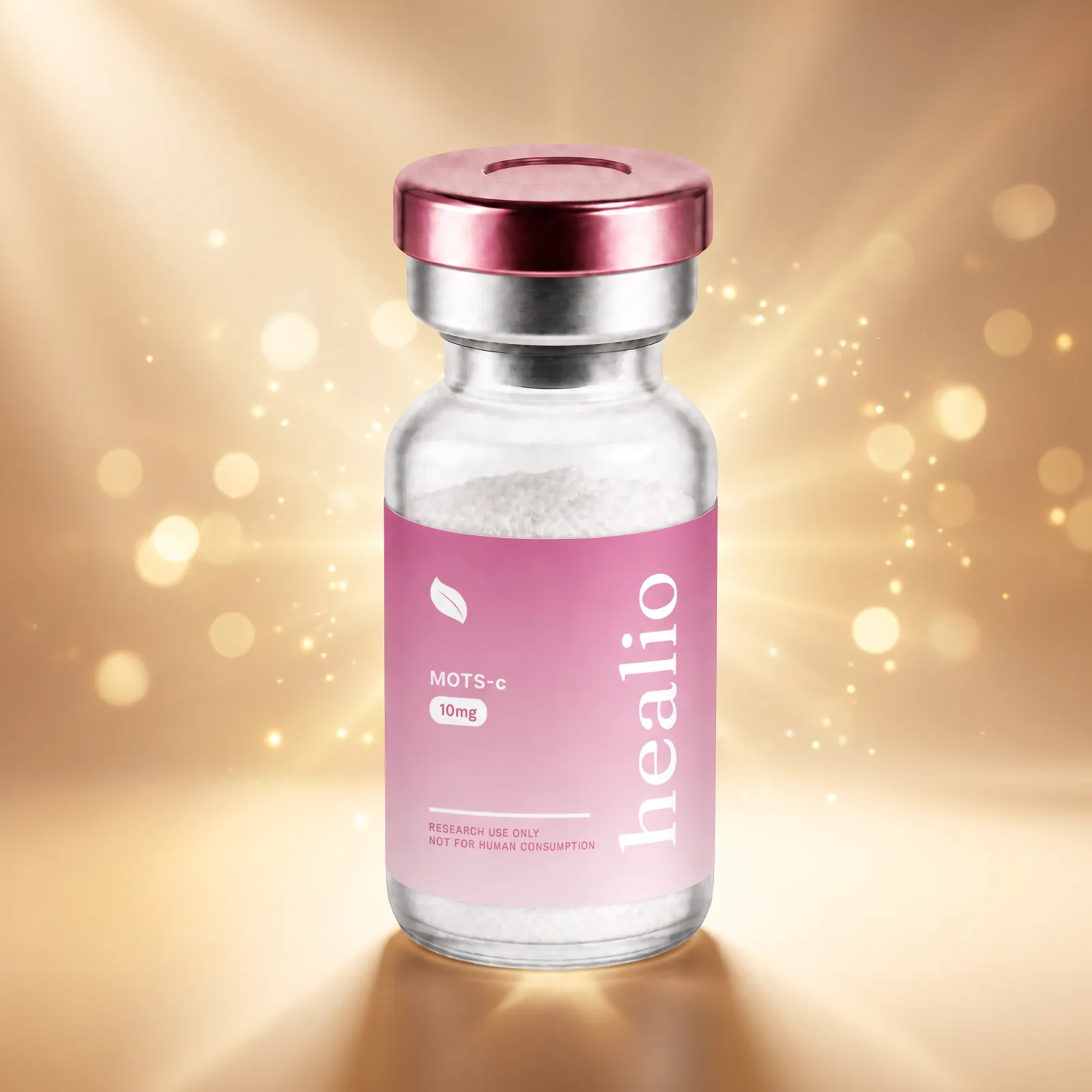
MOTS-c
Metabolic + Mitochondrial Support
$59.99SizeAdd to Cart10mg -
WeightBest Seller

Tirzepatide
Weight + Metabolic Support
From $54.99This product has multiple variants. The options may be chosen on the product pageSizeNotify Me10mg15mg30mg -
Metabolism
Tesamorelin
Fat-Loss + Body Composition
$89.99SizeNotify Me10mg
More peptides, goal by goal.




In Real Life
Healio Peptides In The Wild
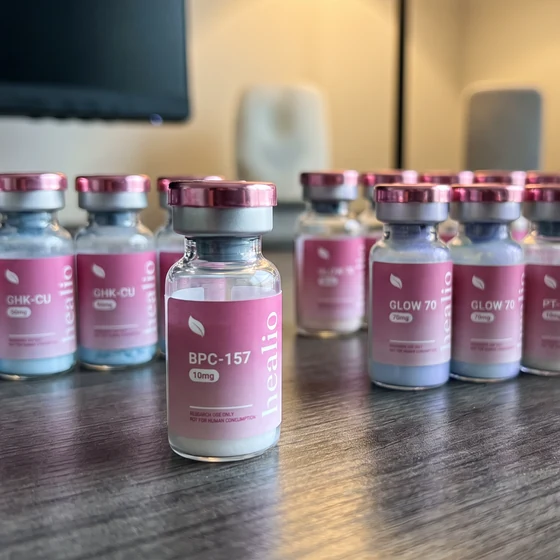
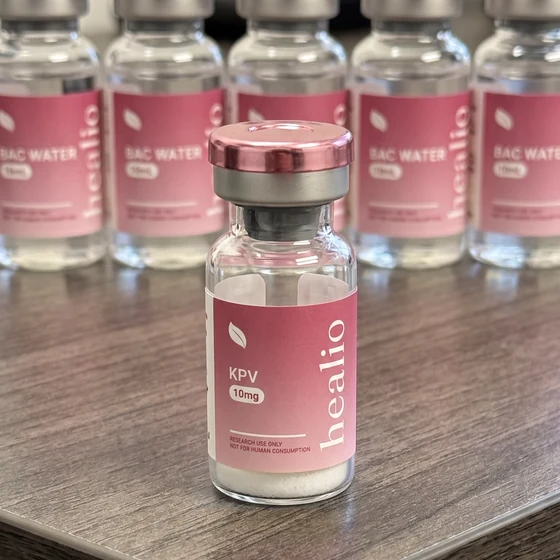

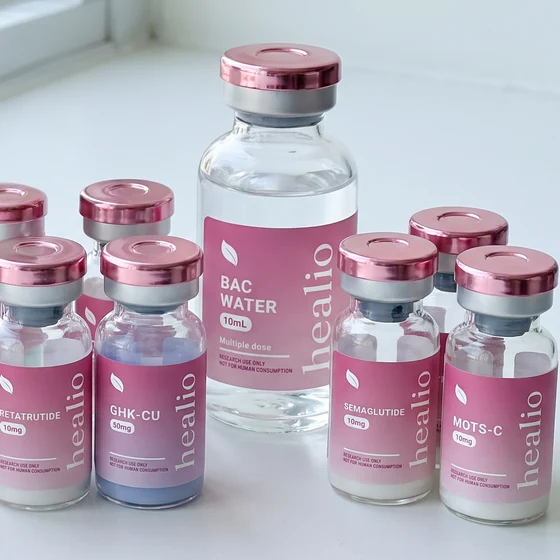
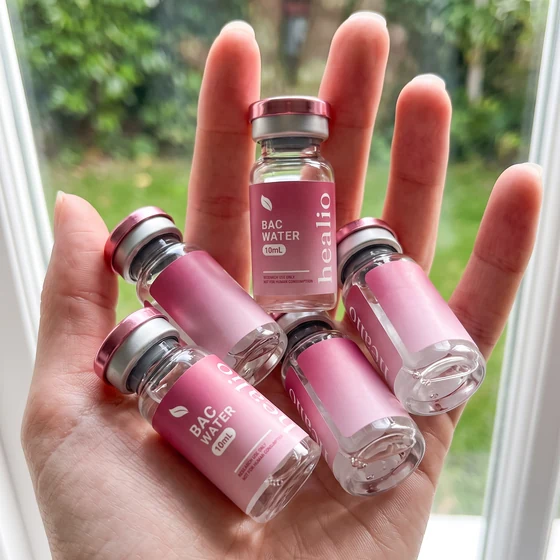
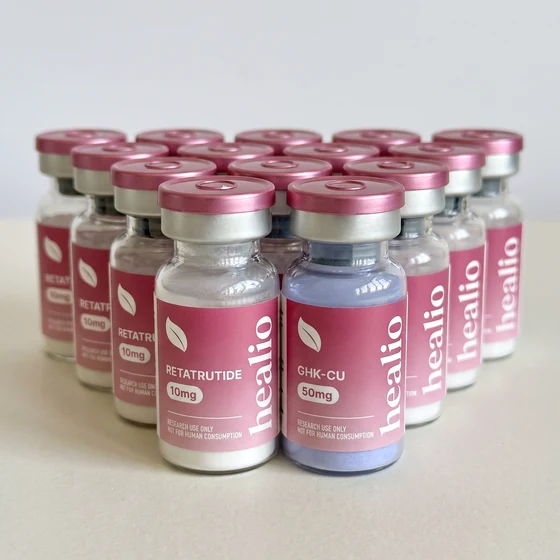
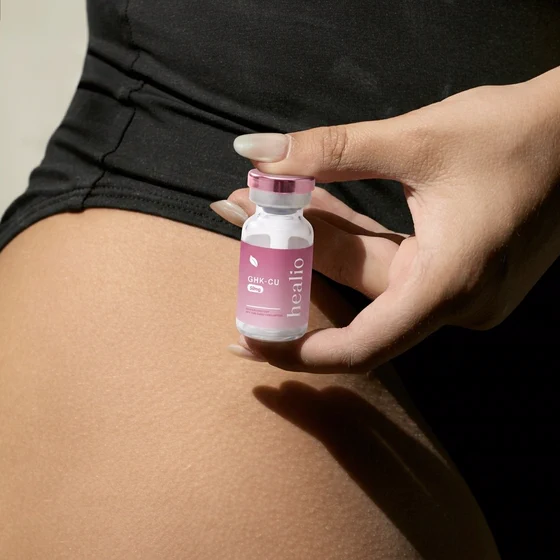
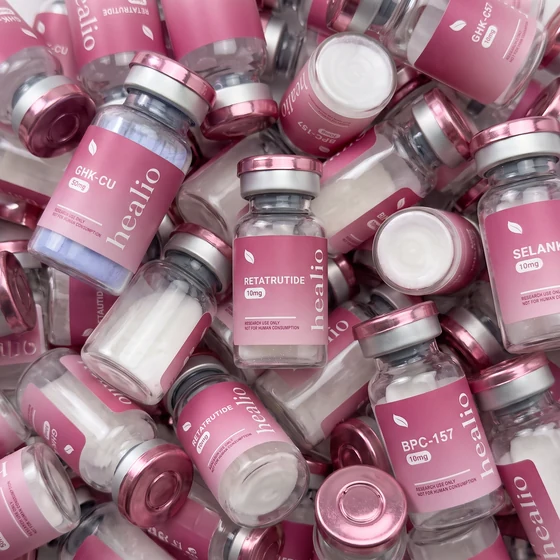
Research notes
Peptides for weight loss, explained simply
How peptides for weight loss actually work
Your body already sends itself little messages after you eat. One of them says you have had enough. That message is called GLP-1, and it is the reason this group of peptides gets so much attention.
Semaglutide copies that one message. Tirzepatide copies two. Retatrutide copies three. That is more or less the whole difference between them. Each one adds another signal, which gives researchers another thing to measure, and the newer ones have less research behind them simply because they arrived later.
Peptides for weight loss that have nothing to do with appetite
Not every peptide here works on hunger. Tesamorelin asks the body to make more of its own growth hormone instead of handing it some from outside. Researchers care about that difference, because when the body makes its own it still follows its normal daily rhythm. Most tesamorelin studies look at the deep fat that sits around the organs rather than a number on a scale.
MOTS-c is different again. Cells have tiny batteries inside them called mitochondria, and MOTS-c is a message that comes from those batteries. The research looks at how cells make and spend energy, so it also sits in peptides for energy.
How every peptide for weight loss here is tested
A peptide that is 91% pure has 9% of something nobody has identified. That leftover part is doing something to the results and no one can say what. So every vial goes to an outside lab first. They check two things: how pure it is, and whether it really is the peptide named on the label. The full report goes up as a published batch certificate, and it matches the exact vial you receive rather than a general sample.
Peptides arrive as a dry powder, a little like powdered milk. You mix them with bacteriostatic water before use, and how you store them changes once the vial is open. Each product page explains both.
Which weight loss peptide fits your research
Retatrutide copies three signals. Tirzepatide copies two. Semaglutide copies one and has the longest research history. MOTS-c works on the cell batteries, and tesamorelin works on growth hormone. Most come in a few sizes, priced per dose.
Collections related to peptides for weight loss
People studying weight rarely stop there. Repair and cell ageing come up constantly, which is why peptides for healing and anti-aging peptides sit close by. If the question underneath yours is how a cell makes power at all, start with peptides for energy.
Everything here is for laboratory research only. These are not medicines, food or supplements. They are not for people or animals to take, and nothing on this page tells you what would happen in a person.
How to get retatrutide and the other weight loss peptides
The question comes up more than any other, usually phrased as some version of "where do I actually get this." The honest answer is that retatrutide is an investigational compound. It is not approved, not prescribable, and not available through a pharmacy. What exists is a research supply market, and the quality inside that market varies more than most buyers expect.
What separates suppliers is not marketing copy, it is whether they will show you the paperwork before you pay. Every batch we ship has a certificate of analysis published on the product page ahead of purchase: HPLC purity to 98% or better, identity confirmed by mass spectrometry, batch number matching the vial. If a supplier will only send a certificate after the order, or sends one with the batch number blanked, that is the answer to the question you were asking.
The compounds in this collection are supplied as laboratory research materials. They are not for human use, and nothing on this page should be read as a protocol.
Start here: retatrutide, tirzepatide, semaglutide, tesamorelin and MOTS-c.
Which weight loss peptide the research separates from the others
These compounds are not interchangeable. Semaglutide is a single-receptor GLP-1 agonist, tirzepatide adds GIP, and retatrutide adds a third receptor on top of that. The trial data behind each is different in scale, duration, and what it was measuring, which is exactly the sort of detail that gets flattened in a product grid.
Three comparisons worth reading before choosing: retatrutide vs tirzepatide, tirzepatide vs semaglutide and retatrutide vs Ozempic and semaglutide. If the adverse-event side is what you are weighing, retatrutide side effects covers what the published trials actually recorded.
For the women-specific research, see peptides for weight loss for women and menopause weight gain.
Keep exploring
More peptide collections to explore
Questions
GLP-1 and metabolic peptide questions, answered
Semaglutide has the longest publication record of the three GLP-1 compounds, simply because it came first. Tirzepatide has the fastest-growing body of literature, and retatrutide is the newest, so its research base is the smallest but expanding quickly. Search volume and research volume are not the same thing, and it is worth checking both before designing a protocol.
The number of receptors each one activates. Semaglutide is a single agonist and targets GLP-1. Tirzepatide is a dual agonist and targets GLP-1 plus GIP. Retatrutide is a triple agonist, adding the glucagon receptor. More targets means a broader signalling profile, which makes each generation a separate research question rather than a stronger version of the last.
Tesamorelin is the one in this collection, and it answers a narrower question than the incretins do. It acts on the growth hormone axis and most of its literature concerns visceral adipose tissue rather than body weight generally. Comparing it directly against a GLP-1 compound only makes sense once that difference is clear.
They share compound names but not legal status. The peptides sold here are research-grade materials supplied for laboratory use, not prescription medicines, and they are not manufactured, labelled or intended for human administration. Anyone looking for a prescribed treatment should be talking to a licensed physician instead.
Lyophilised vials are stable at room temperature for shipping and can be stored refrigerated at 2 to 8 degrees Celsius for longer periods, or frozen for extended storage. Once reconstituted, refrigeration is required and the usable window shortens considerably. Each product page lists the specific storage and handling detail for that compound.