
The Collection
Women's Wellness Peptides
Kisspeptin-10, PT-141, GHK-Cu and selank, grouped for research into female hormones, desire, stress and skin. Every batch is checked by an outside lab and the report is published.
-
Skin & HairBest Seller
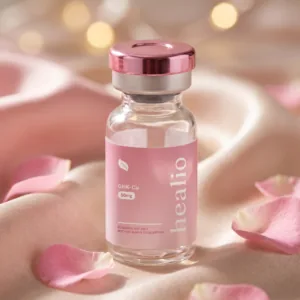
GHK-Cu
Skin + Hair Improvement
From $34.99This product has multiple variants. The options may be chosen on the product pageSizeAdd to Cart -
LibidoBest Seller
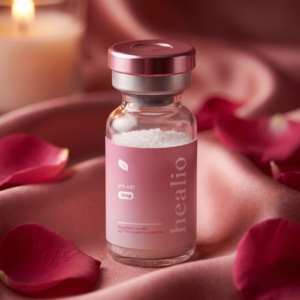
PT-141
Libido + Intimacy Support
$34.99SizeAdd to Cart10mg -
Mood
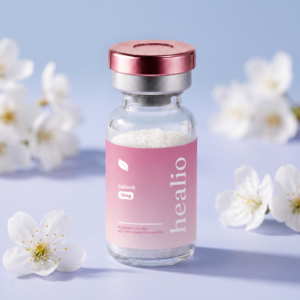
Selank
Calm + Mood Support
$38.99SizeAdd to Cart10mg -
Beauty BlendBest Seller
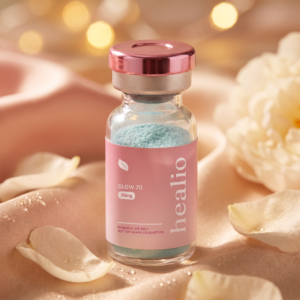
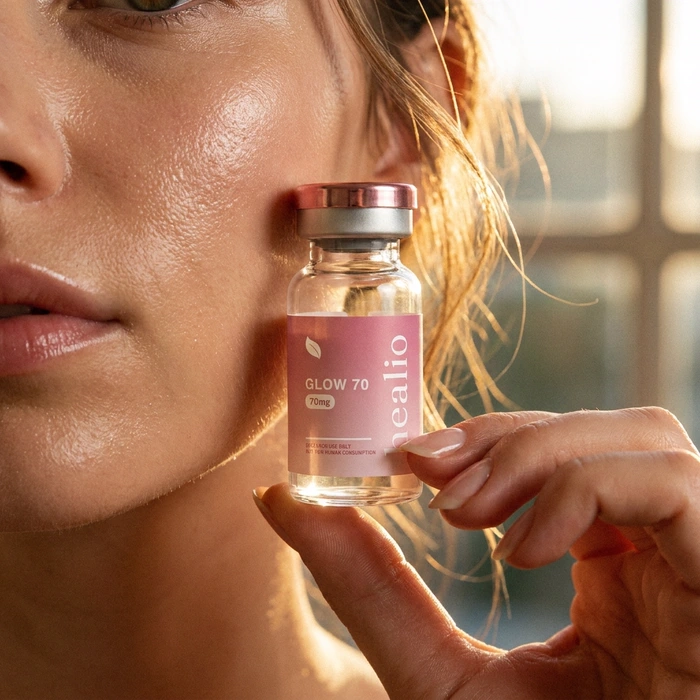
GLOW 70 Peptide Blend
Skin + Collagen + Repair Blend
$104.99SizeAdd to Cart70mg -
Fertility
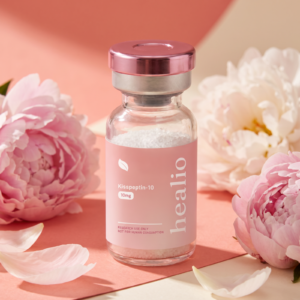
Kisspeptin-10
Hormone + Fertility Support
$44.99SizeNotify Me10mg
More peptides, goal by goal.
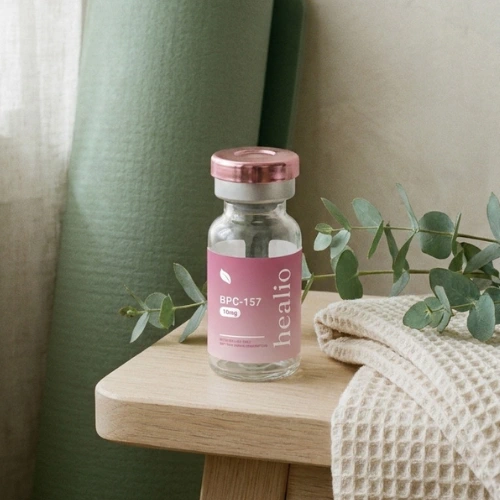
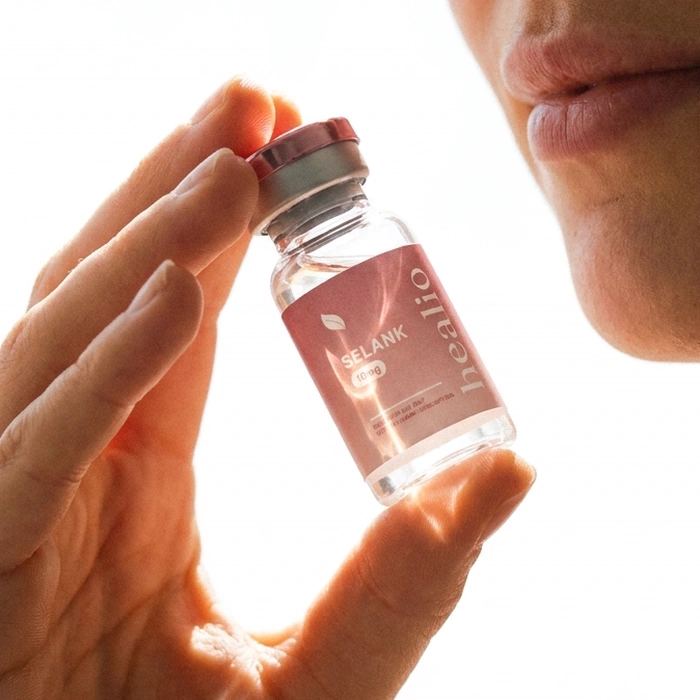
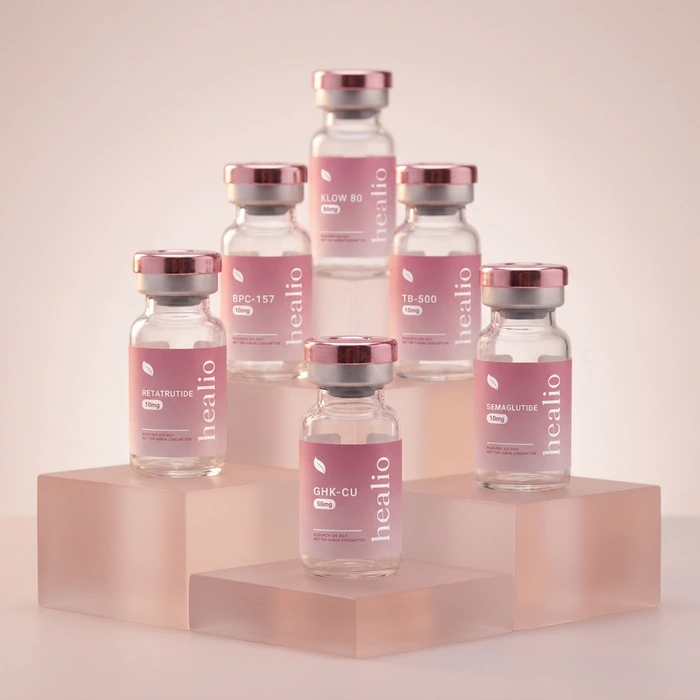
In Real Life
Healio Peptides In The Wild
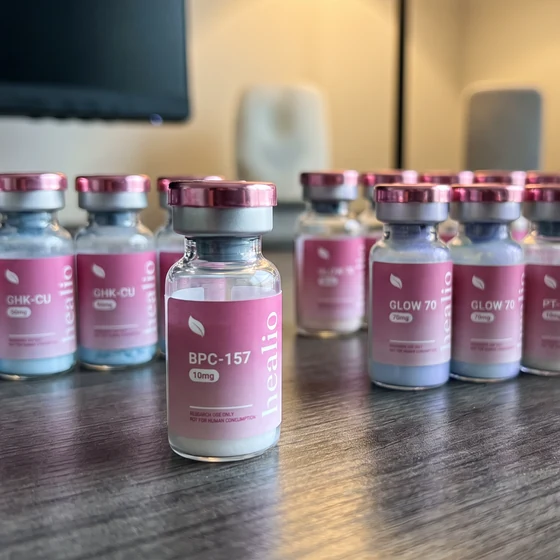
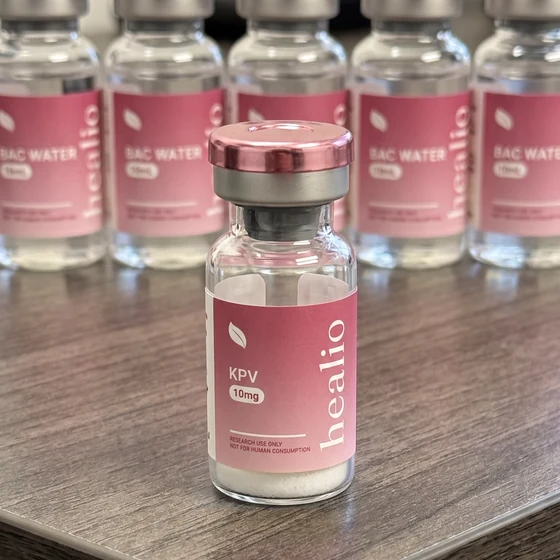
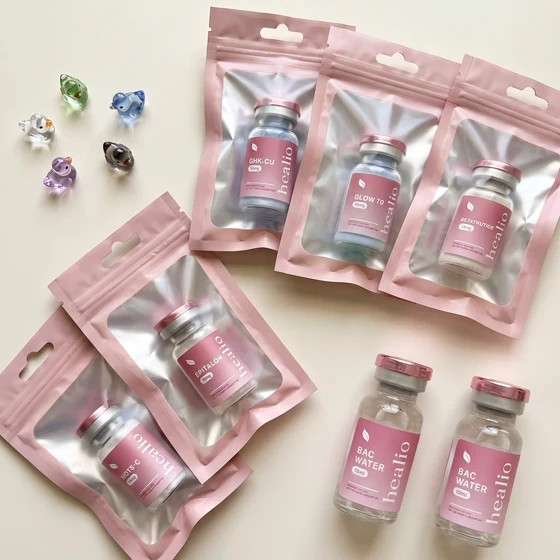
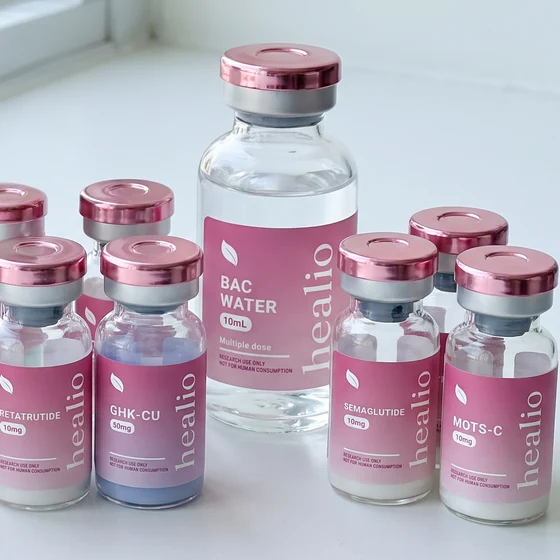
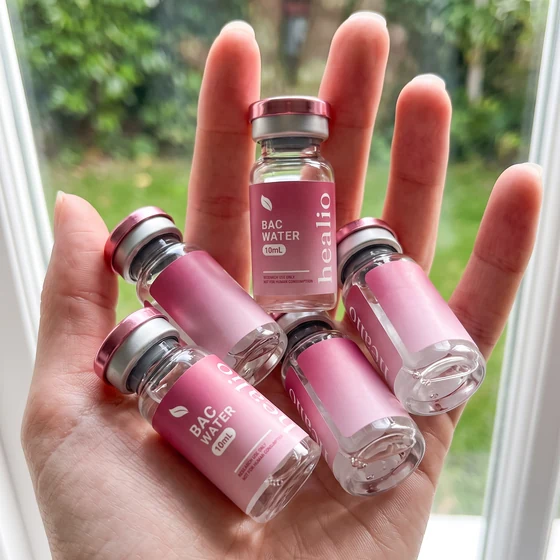
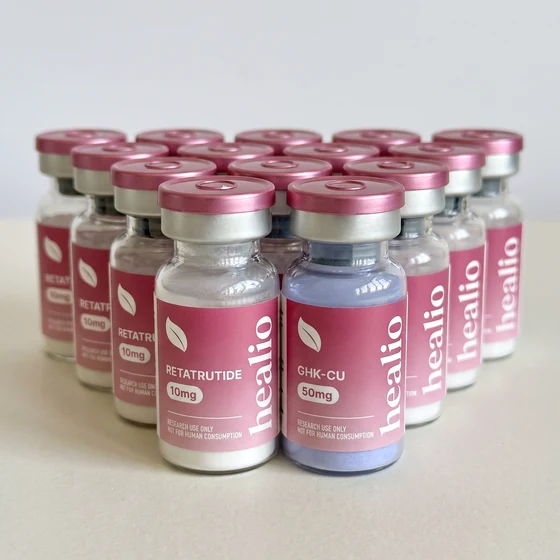
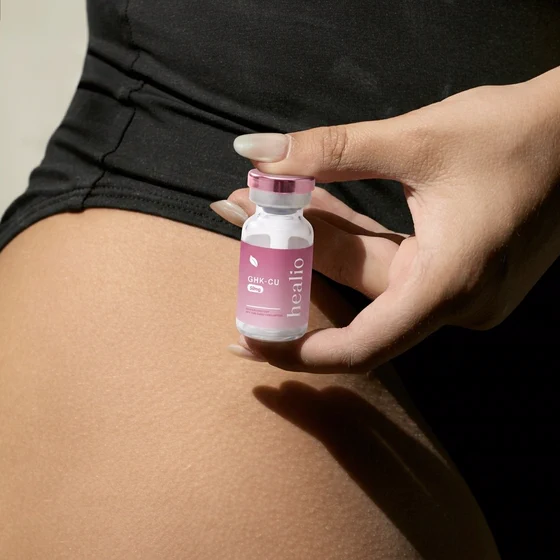
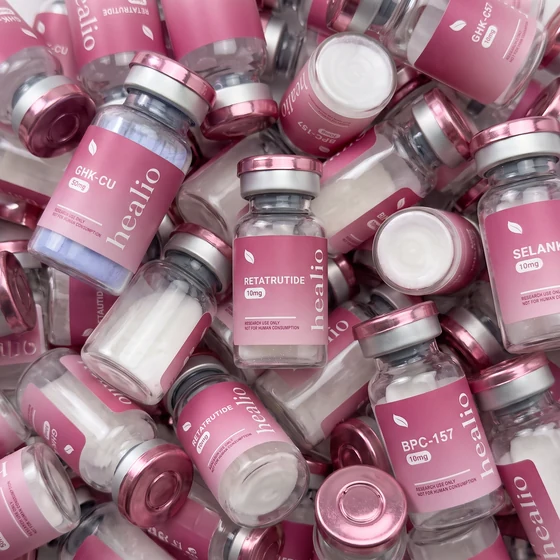
Research notes
Why women's wellness peptides are grouped together
Why women's wellness peptides are studied as a group
Most peptide research was built around male bodies, and a lot of it still is. Putting these four together is not a marketing idea. The questions really are different, and the research that applies to women is scattered across fields that rarely talk to each other.
Women's wellness peptides and hormone signalling
Think of hormones as a chain of messages. One part of the brain sends the first message, that sets off the next, and several steps later you get the hormones people actually name. Kisspeptin sits right at the top of that chain. That position is what makes it interesting to study, because a change at the top is felt by everything below it.
Peptides for libido
Almost everything sold for desire works on blood flow. PT-141 works in the brain instead. That sounds like a small detail and it is really the whole point: blood flow answers a plumbing question, while a brain signal answers a wanting question. It is also why PT-141 built up research for women that the blood flow products never did.
Desire does not sit on its own either. Stress and mood push it around a great deal, which is where selank comes in, and so does hormone change with age, covered in anti-aging peptides.
Women's wellness peptides for stress and skin
Selank is studied for calm. Not for making anyone sharper, but for turning down the background noise, which is a different question entirely. It also appears in peptides for energy. GHK-Cu is here for the skin and collagen research covered in peptides for skin and beauty. Both are included because this kind of research almost never involves one system on its own.
What we can and cannot tell you
We can tell you what each one is, where it acts, and exactly what is in the vial. We cannot tell you what it would do in a person, because that is not what these are for and that research does not exist in the shape the question implies. Anyone with a real hormone or sexual health worry should be talking to a doctor rather than reading a shop page.
Which women's wellness peptide fits your research
Kisspeptin-10 costs the least here. PT-141 covers the brain route, selank the stress side, and GHK-Cu the skin research. Every batch is tested by an outside lab, with third-party test reports published for each one. All arrive dry and need bacteriostatic water.
Collections related to women's wellness peptides
Skin and collagen research continues in peptides for skin and beauty. Stress and mitochondrial research overlap in peptides for energy, hormone change with age in anti-aging peptides, and tissue repair in peptides for healing.
For laboratory research only. Not for people or animals to take.
Peptide research questions women ask before buying
Most peptide research was not designed with women in mind, and pretending otherwise does nobody any favours. Where sex-specific data exists we say so. Where it does not, we say that too, which is more often than the category likes to admit.
The starting points: best peptides for women, can women take peptides, peptides for perimenopause, peptides and PCOS and peptides for libido.
Compounds here include kisspeptin-10, PT-141 and selank, each supplied as a research material with a published batch COA.
Keep exploring
More peptide collections to explore
Questions
Hormonal signalling and libido research questions
A grouping of research compounds whose literature touches female hormonal signalling, reproductive endocrinology, desire, stress response and skin structure. The category exists because peptide research has historically been designed around male physiology, leaving the relevant work scattered across unconnected fields.
Kisspeptin acts on the hypothalamus to trigger GnRH release, which in turn drives LH and FSH, which drive the sex hormones. It sits near the top of the reproductive signalling chain, which is what makes it useful to study: changes there propagate downward.
PT-141 and kisspeptin-10 are the two here. PT-141 is a melanocortin agonist acting centrally rather than on vasculature, which is what separates it from PDE5 compounds and why its research applies across physiologies. Kisspeptin works further upstream, on the hormonal cascade itself.
Yes, two names for one compound. PT-141 is the research designation and bremelanotide the pharmaceutical name. Both appear in the literature, sometimes in the same paper.
These are laboratory research materials, not products for human use by anyone, and we make no safety claims for administration. If you are researching a hormonal or sexual health question for yourself, a licensed physician is the correct place to take it.