
The Collection
Peptides for Skin & Beauty
Copper peptide and the compounds studied next to it for skin, collagen and hair. Every vial is checked by an outside lab, and the report for your exact batch is published on the site.
-
Skin & HairBest Seller
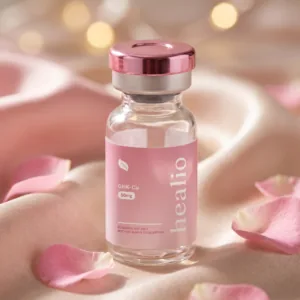
GHK-Cu
Skin + Hair Improvement
From $34.99This product has multiple variants. The options may be chosen on the product pageSizeAdd to Cart -
Longevity
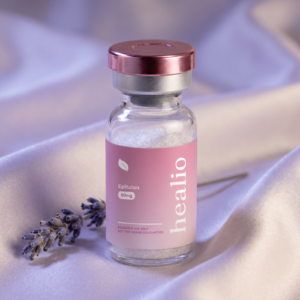
Epitalon
Longevity + Sleep Support
From $59.99This product has multiple variants. The options may be chosen on the product pageSizeAdd to Cart -
Beauty BlendBest Seller
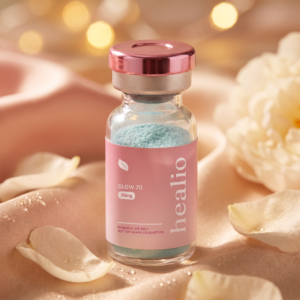
GLOW 70 Peptide Blend
Skin + Collagen + Repair Blend
$104.99SizeAdd to Cart70mg -
Repair BlendBest Seller
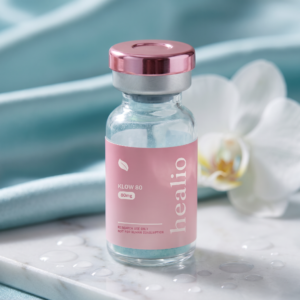
KLOW 80 Peptide Blend
Repair + Anti-Inflammatory Blend
$119.99SizeNotify Me80mg
More peptides, goal by goal.
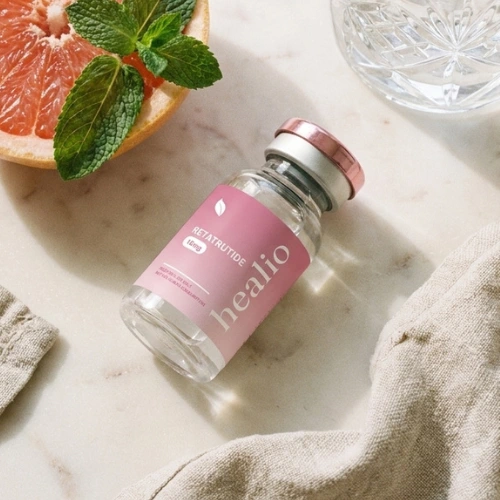
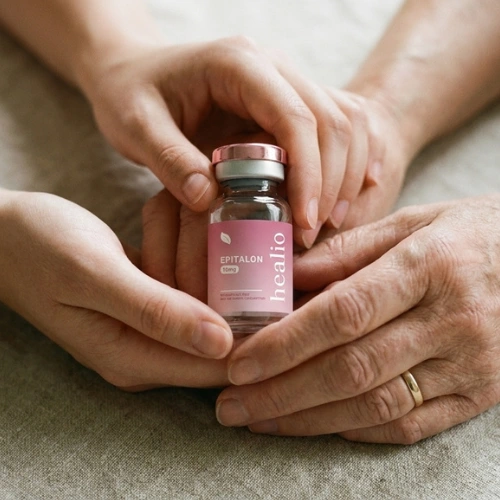
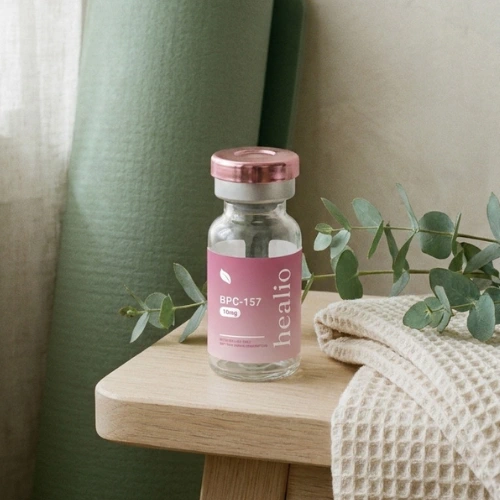
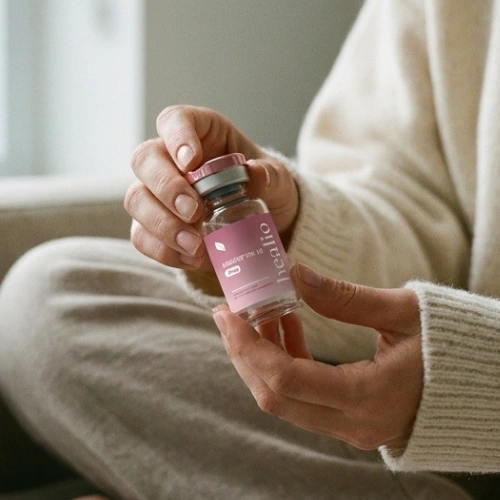
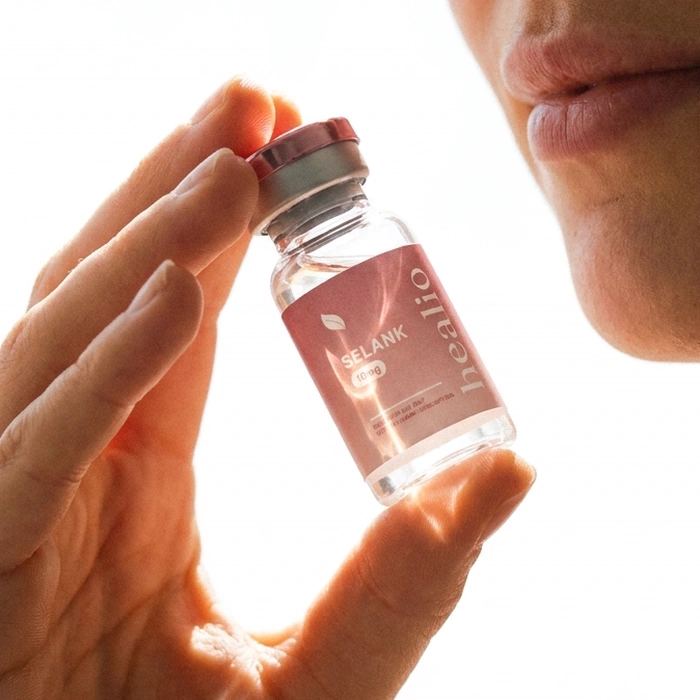
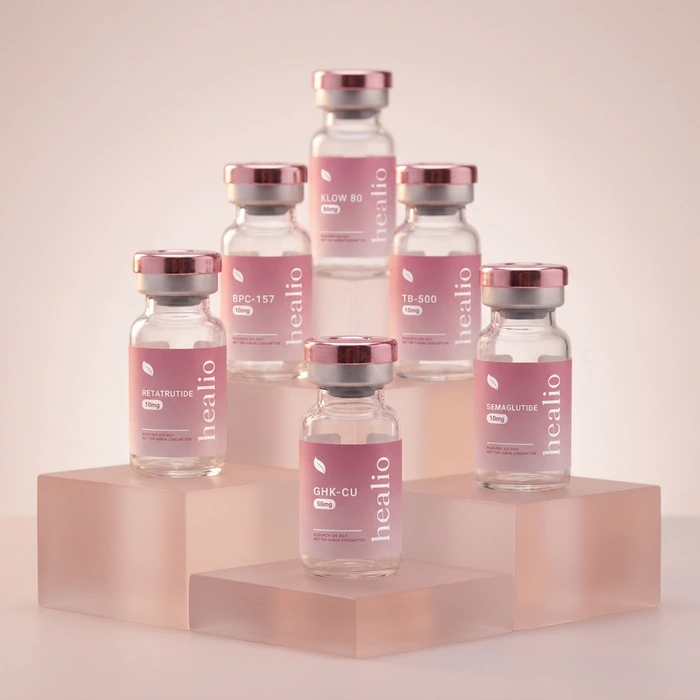
In Real Life
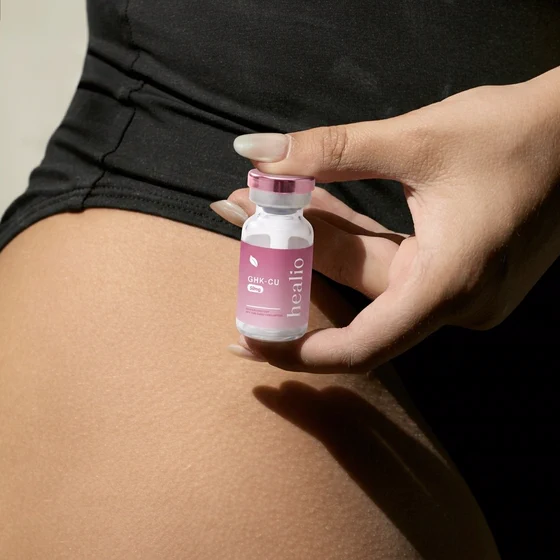
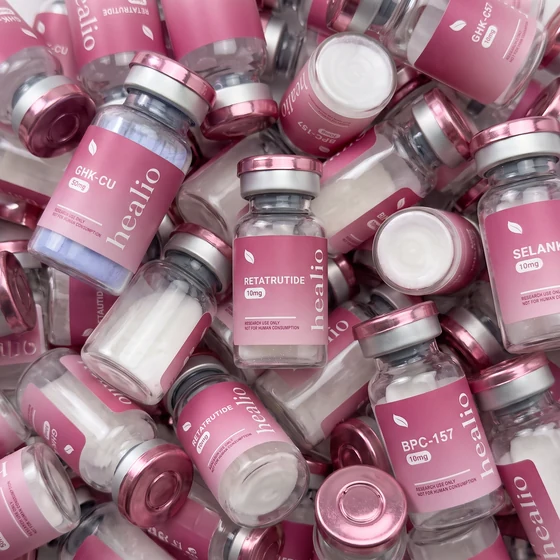
Healio Peptides In The Wild
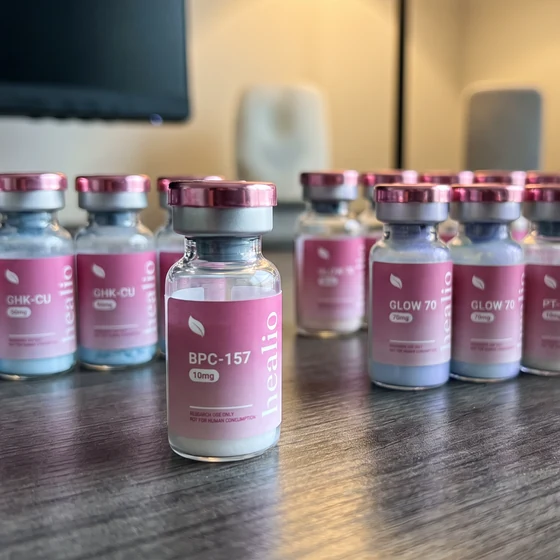
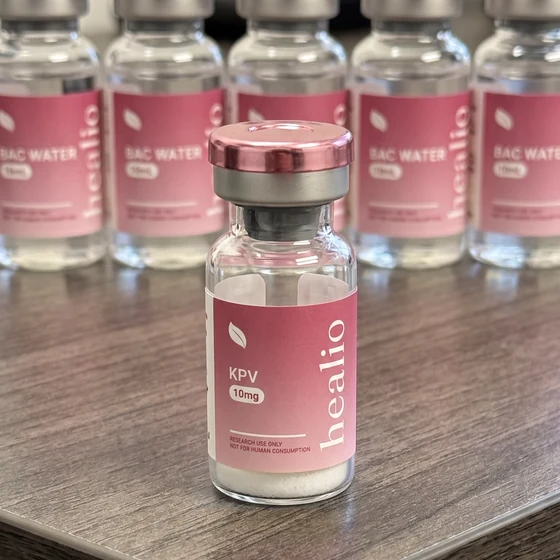
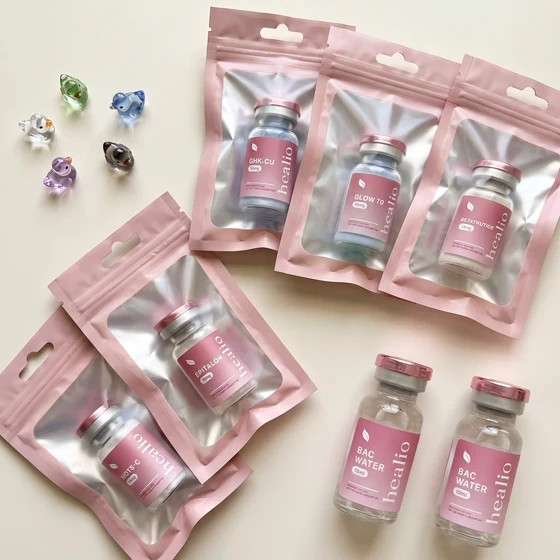
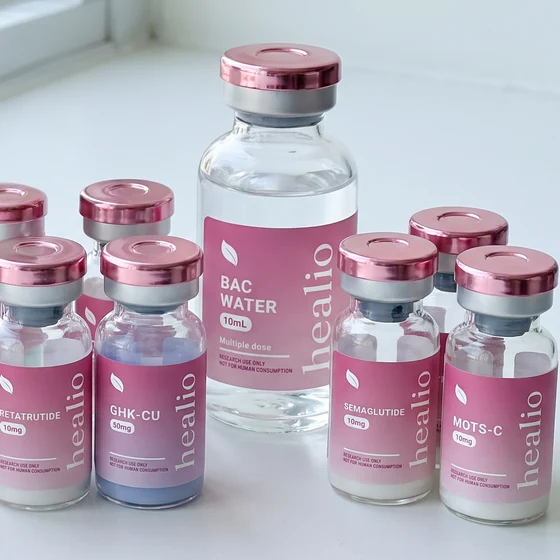
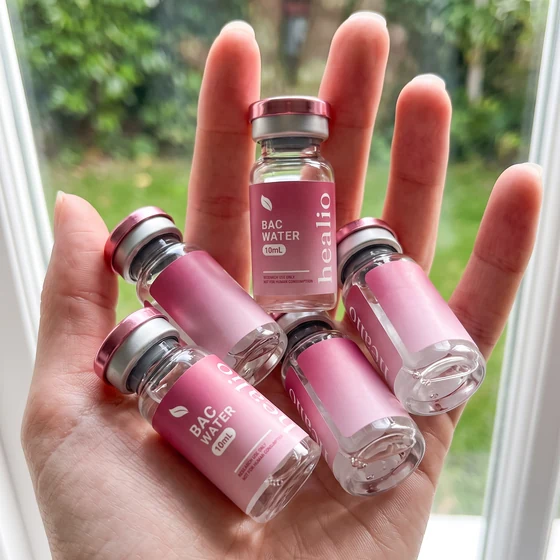
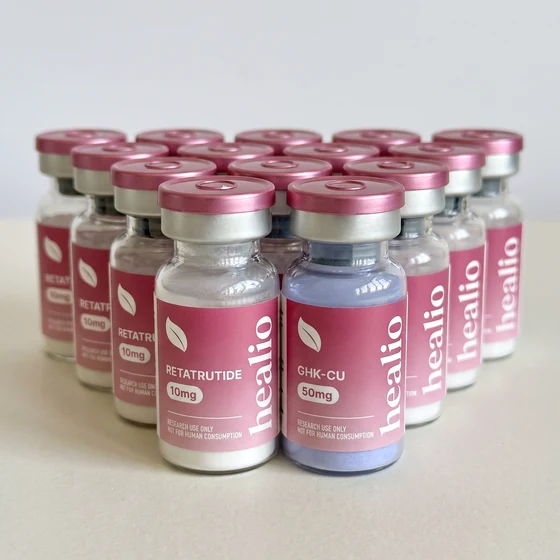
Research notes
What skin and beauty peptides are studied for
What peptides for skin are actually studied for
Skin peptides have been studied longer than almost anything else in this field. GHK-Cu was found in human blood back in 1973, which gives it about fifty years of research behind it. Nothing else here comes close.
GHK-Cu is a very short peptide that holds on to a bit of copper, and the copper is the interesting part. Bodies use copper to help build collagen, the springy stuff that keeps skin firm. So a peptide that carries copper along with it is a different thing to study than a peptide on its own. Levels of GHK in blood also drop as people get older, and that one observation started most of the research happening today.
Peptides for hair growth
The same peptide turns up in hair research, for a simple reason. Hair follicles are part of your skin. They sit in the same layer, held by the same collagen, fed by the same tiny blood vessels. So studies about skin structure keep producing findings about hair without setting out to. Hair thinning research also overlaps with cell ageing, which is covered in anti-aging peptides.
Peptides for skin and cell ageing
Epitalon usually gets filed under anti-ageing. It sits here because skin and ageing are hard to pull apart. Skin makes collagen using cells called fibroblasts, and how well those cells do their job depends on how they are ageing. GLOW 70 puts GHK-Cu together with BPC-157 and TB-500 in a single vial, for less than buying the three apart.
Storing and handling copper peptides for skin
Copper peptides need a little care. GHK-Cu arrives as a dry powder and turns bright blue once you mix it with water. That blue is the copper and it is meant to happen. A clear solution would be the odd result. Light and repeated freezing break it down faster than most peptides, so splitting it into smaller portions is worth the extra step.
Which peptide for skin fits your research
GHK-Cu comes in a few sizes, and the bigger ones cost less per milligram. Epitalon covers the ageing side. Every batch is tested by an outside lab, with the batch test report published before purchase. You will need bacteriostatic water to mix them.
Collections related to peptides for skin and beauty
Research into irritated skin overlaps with KPV in peptides for healing. The collagen and cell ageing thread continues in anti-aging peptides, and skin comes up again in women's wellness peptides where hormones and skin structure meet. Blended vials are in GLOW 70 and KLOW 80.
These are for laboratory research only. They are not cosmetics, medicines or supplements, they are not for people or animals to use, and nothing here says what would happen to anyone's skin or hair.
How to buy peptides for skin with the testing published first
Skin peptides are sold two very different ways. Cosmetic formulations put a fractional percentage of a peptide into a cream and call it a serum. Research-grade material is the raw compound, tested and certified, and it is what this collection stocks.
The distinction matters most with GHK-Cu, the copper peptide carrying the deepest published record of anything in the category, running back to the 1970s. Both the GLOW peptide blend and the KLOW peptide blend are built around 50mg of it.
Background reading: best peptides for skin, copper peptides for skin, GHK-Cu peptide benefits, peptides and acne and peptides vs collagen.
Keep exploring
More peptide collections to explore
Questions
Copper peptide and collagen research questions
GHK-Cu has by far the deepest literature. It was isolated in 1973 and has been studied for collagen synthesis, matrix remodelling and repair ever since, which gives it a research base nothing else in this collection comes close to. If you want prior work to build on, start there.
GHK-Cu again, and for a structural reason: hair follicles are dermal structures sharing the same collagen scaffolding and blood supply as skin. Its follicle literature grew out of its extracellular matrix research rather than being pursued separately.
The copper. GHK-Cu is a copper-binding tripeptide, and the blue colour appears when the copper complex goes into solution during reconstitution. A clear solution would be the thing to question, not a blue one.
No, and the names cause a lot of confusion. Copper peptides such as GHK-Cu are short signalling sequences studied for how they influence collagen production. Collagen peptides are hydrolysed fragments of collagen protein itself, sold as a food ingredient. Different molecules, different literature, different purpose.
Lyophilised vials keep at 2 to 8 degrees Celsius, away from light. After reconstitution, refrigerate and use within the window listed on the product page. Copper peptides degrade faster than most under light exposure and repeated freezing, so single-use aliquots are worth the extra handling.