Bacteriostatic Water for Sale
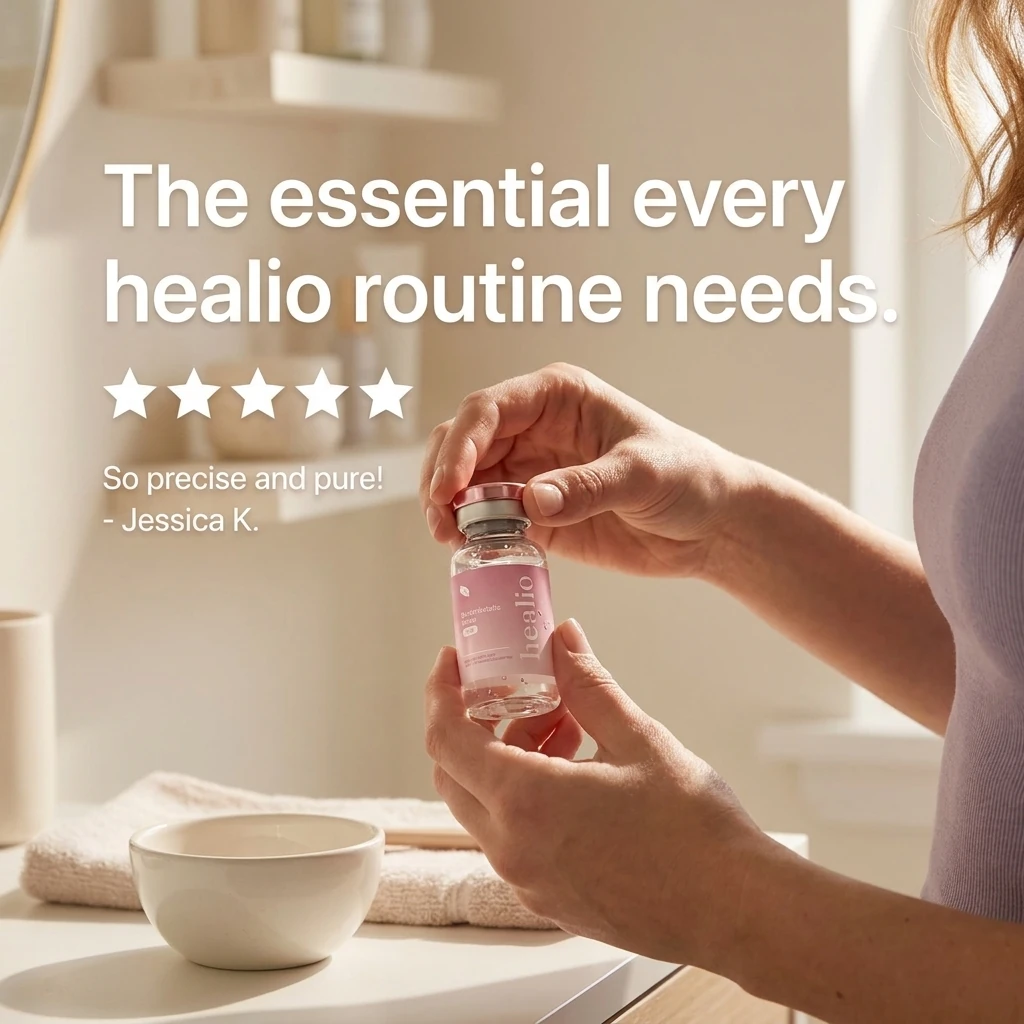
The essential companion for every reconstitution.
$9.99 30% off
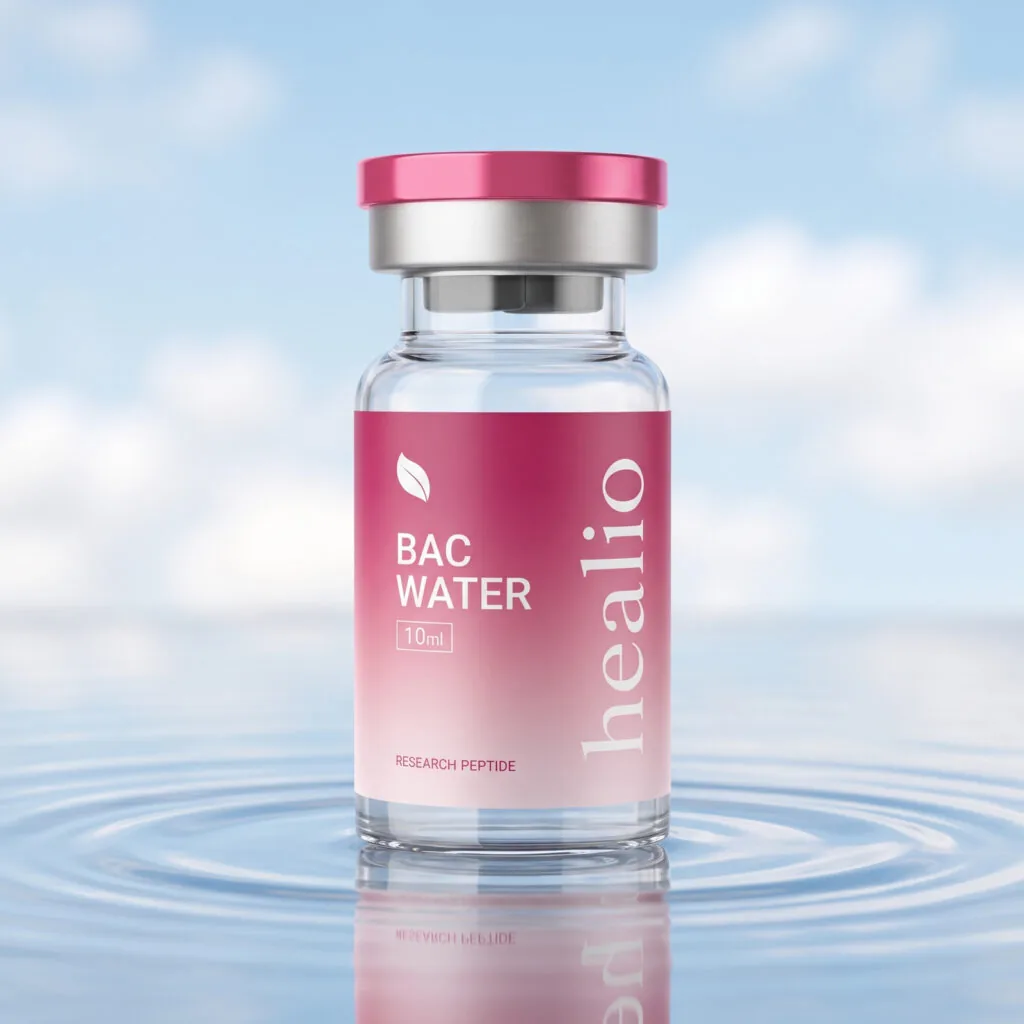
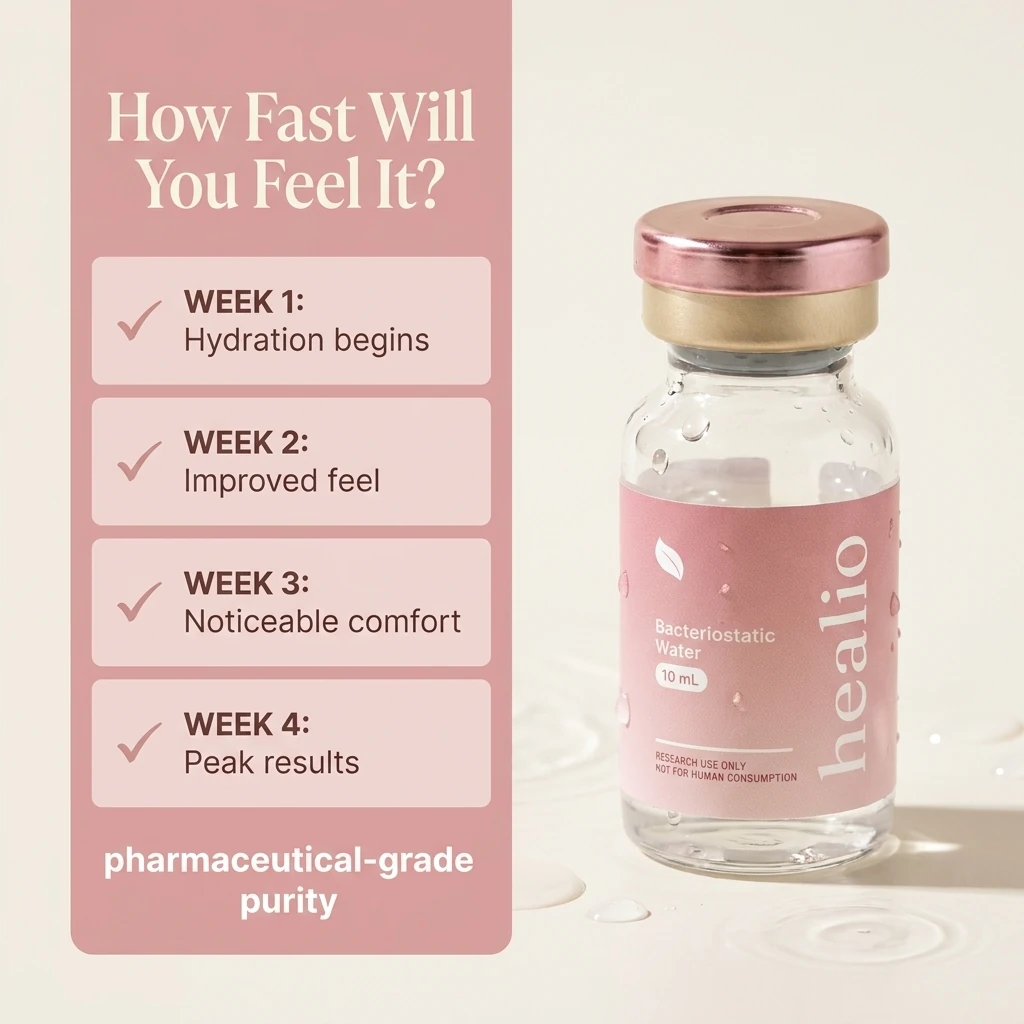
Bacteriostatic water is sterile water containing 0.9% benzyl alcohol, used to safely reconstitute lyophilized peptides for laboratory research. The benzyl alcohol allows multiple withdrawals from a single 10 mL vial over the research window.
Buy bacteriostatic water online from Healio. Bacteriostatic Water for sale, also called bac water, comes as a 10 mL vial of sterile water with 0.9% benzyl alcohol, supplied for laboratory use only and shipped from the USA. You can order bacteriostatic water straight from this page.
What is bacteriostatic water?
Bacteriostatic water is sterile water containing 0.9% benzyl alcohol as a bacteriostatic agent. The benzyl alcohol is what distinguishes it from plain sterile water: it inhibits bacterial growth, which allows multiple withdrawals from a single vial across a research window rather than one use and disposal.
It is the standard diluent for reconstituting lyophilized peptides, and it is the item most often forgotten in a first order. A vial of research peptide is a dry powder. Without a diluent it cannot be brought into solution at all.
Why researchers buy bacteriostatic water for peptides
Every lyophilized peptide requires reconstitution before it can be used in solution. Bacteriostatic water is preferred over sterile water for injection in laboratory settings for one practical reason: the preservative permits repeated access to the same vial without the contamination risk that comes with unpreserved water.
For a research programme working through a vial over days or weeks rather than in a single session, that difference is the entire point.
Bacteriostatic water vs sterile water
| Property | Bacteriostatic water | Sterile water |
|---|---|---|
| Preservative | 0.9% benzyl alcohol | None |
| Multiple withdrawals | Supported across a research window | Single use |
| Typical use | Reconstituting lyophilized peptides | Single-use dilution |
| Storage after opening | Refrigerated, limited window | Discard after use |
How to reconstitute peptides correctly
The procedure matters more than most first-time buyers expect, because peptides are fragile in ways that are not obvious.
Introduce the bacteriostatic water slowly down the inside wall of the peptide vial rather than directly onto the lyophilized powder. Let the material dissolve on its own. If it needs help, swirl gently. Never shake: peptides degrade under shear force, and vigorous agitation is one of the most common ways a good vial is ruined by handling rather than by the supplier.
Once reconstituted, the solution requires refrigeration and has a considerably shorter stable window than the dry powder had.
Storage and handling
Store unopened vials at room temperature away from direct light. After opening, refrigerate and observe the limited usable window. Do not freeze bacteriostatic water, and do not use a vial with visible particulates or discolouration.
Bacteriostatic Water price
Bacteriostatic Water 10 mL is $9.99 per vial. Ordering more than one vial lowers the price of every vial in the order. The table shows the bacteriostatic water price per vial. That bacteriostatic water cost is the price per vial before shipping. For the best price per vial on bacteriostatic water, order three or more.
| Size | Vials in order | Price per vial |
|---|---|---|
| Bacteriostatic Water 10 mL | 1 vial | $9.99 |
| 2 vials 5% off | $9.49 | |
| 3 or more vials 10% off | $8.99 |
Prices are in US dollars. The multi-vial discount is applied automatically in the cart. Shipping is free on orders over $185.
Where to buy Bacteriostatic Water in the US
Searching for where to buy bacteriostatic water? The best place to buy bacteriostatic water is a vendor that states exactly what is in the vial and ships it sealed. Four checks separate a reliable US source from a reseller, and this is how Healio meets each one.
- Sterile and preserved. Bacteriostatic water is sterile water with 0.9% benzyl alcohol, which is what allows more than one withdrawal from the same vial over the research window.
- A sealed vial. Healio bacteriostatic water comes in a sealed 10 mL vial. Check the seal and the label for the 0.9% benzyl alcohol statement on any vial you buy.
- Handling guidance you can check. The in-use window and the difference from sterile water are explained in plain language.
- US dispatch and plain terms. Orders ship from the United States, and the shipping and returns policy is public before you buy.
For a longer look at judging any supplier, read the best peptide companies.
Bacteriostatic Water reviews: is Healio a legit bacteriostatic water source?
Searching for bacteriostatic water reviews, or asking whether Healio is a legit bacteriostatic water source? The useful evidence is what you can check yourself, because reviews only help if you can check them.
- Check the label and seal on the vial you receive, including the 0.9% benzyl alcohol statement.
- Read how the content on this site is written and checked on the editorial standards page.
- Read the shipping and returns policy before you order.
Bacteriostatic Water payment and shipping
Looking for fast bacteriostatic water shipping? Orders ship from the United States to US addresses. Weekday orders placed before 2:00 PM ET usually go out the same business day, and later orders go the next business day. For bacteriostatic water overnight shipping, choose Next Day Air at checkout. Transit is usually 2 to 10 business days, which is a carrier estimate and not a guarantee. Pay by credit or debit card at checkout.
| Shipping option | Price |
|---|---|
| Standard Shipping (Ground) | $14.99 (free over $185) |
| 2-Day Air | $23.99 |
| Next Day Air | $54.99 |
All sales are final. Read the full shipping and returns policy before you order.
Bacteriostatic Water research tools and guides
- Bacteriostatic Water calculatorTurn vial strength and water volume into concentration and syringe units. Arithmetic only.
- Bacteriostatic water for peptidesWhy it is the standard diluent.
- What is bacteriostatic water?The plain-language answer.
- How long bacteriostatic water lastsThe in-use window.
- Bacteriostatic water vs sterile waterOne preservative apart.
- How to reconstitute peptidesStep-by-step handling.
Research focus
- Reconstitutes lyophilized peptides
- Supports multiple withdrawals
- Sterile and filtered
- A lab essential for every order
Who it’s for
For researchers focused on
| Scientific name | Sterile water, 0.9% benzyl alcohol |
|---|---|
| Purity | Sterile, filtered |
| Form | Solution, 10 mL vial |
| Appearance | Clear colorless liquid |
Store at room temperature, away from direct light. No refrigeration required before opening.
After first withdrawal, refrigerate at 2 to 8°C and use within 28 days.
For laboratory research use only. Wipe the stopper with alcohol before each withdrawal.
Working out the water volume? Use the Bacteriostatic Water calculator.
-
RecoveryBest Seller
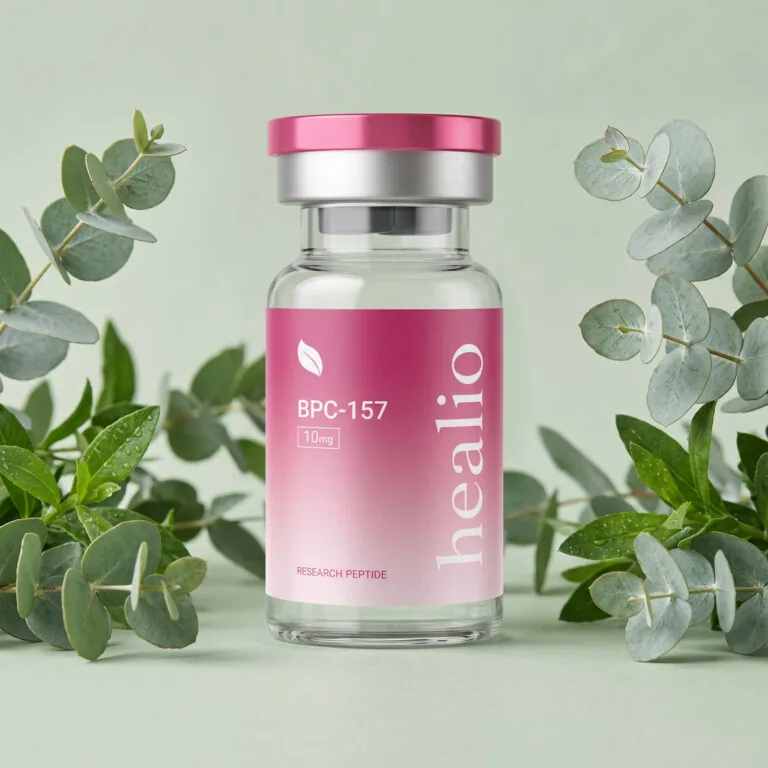
BPC-157
Recovery + Gut Support
$59.99SizeAdd to Cart10mg -
WeightBest Seller
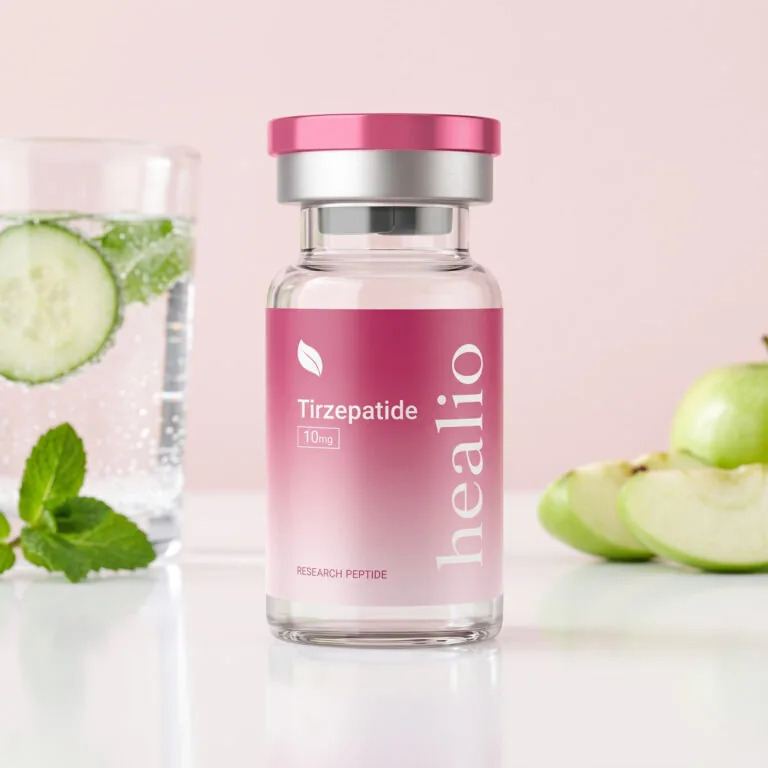
Tirzepatide
Weight + Metabolic Support
From $54.99This product has multiple variants. The options may be chosen on the product pageSizeNotify Me10mg15mg30mg -
LibidoBest Seller
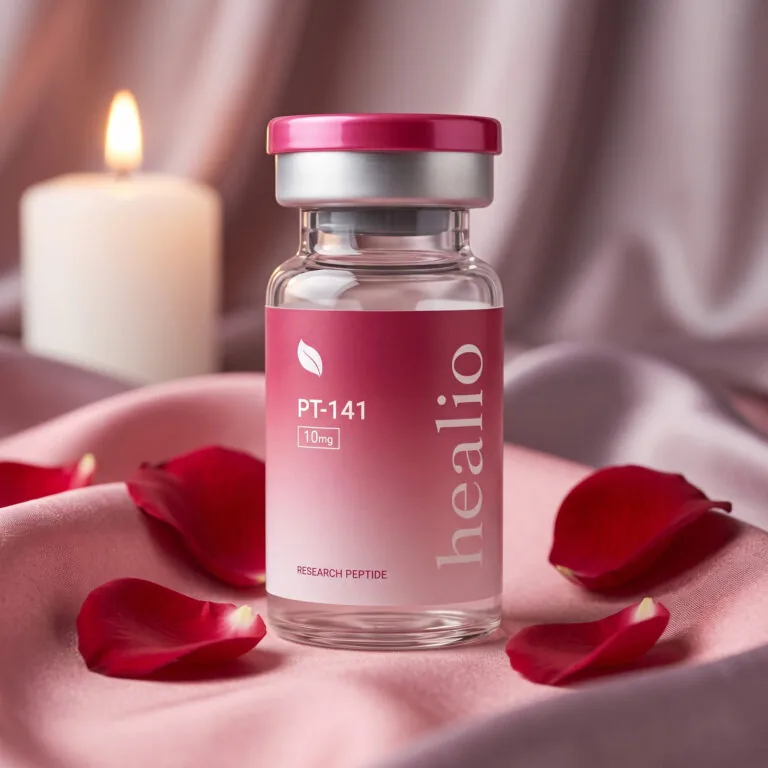
PT-141
Libido + Intimacy Support
$34.99SizeAdd to Cart10mg -
WeightBest Seller
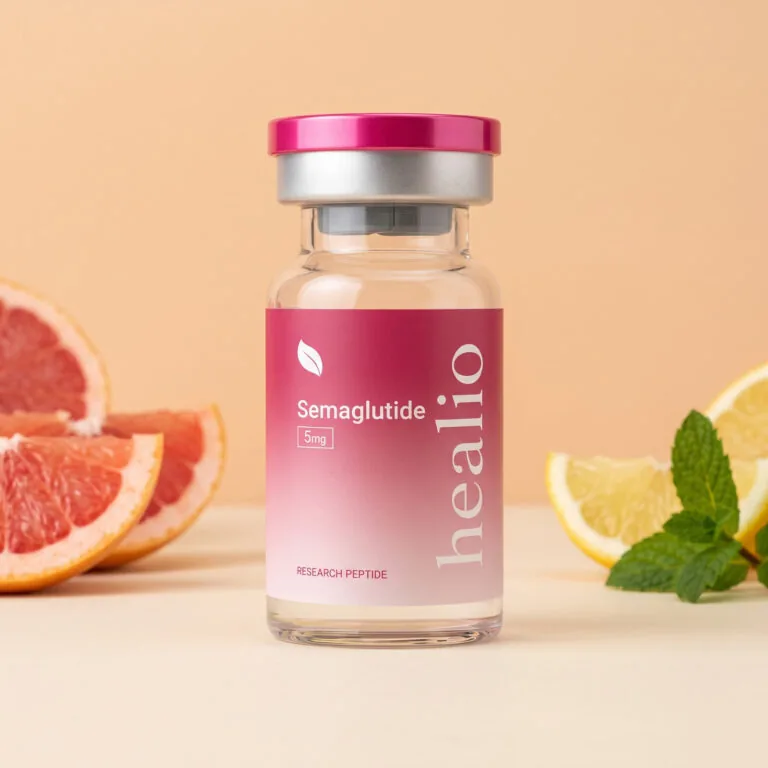
Semaglutide
Appetite + Weight Support
From $79.99This product has multiple variants. The options may be chosen on the product pageSizeAdd to Cart
Bacteriostatic Water FAQ
Where can I buy bacteriostatic water in the US?
Healio sells bacteriostatic water direct from the United States. It is supplied for laboratory research use only.
How much does bacteriostatic water cost?
A 10 mL vial of Bacteriostatic Water is $9.99. Ordering two vials brings each to $9.49 and three or more brings each to $8.99. Shipping is free on orders over $185.
What is in Healio bacteriostatic water?
Healio bacteriostatic water is sterile water containing 0.9% benzyl alcohol, supplied in a 10 mL vial for reconstituting lyophilized peptides in the laboratory.
How fast does bacteriostatic water ship?
Weekday orders placed before 2:00 PM ET usually ship the same business day. Standard ground is $14.99 and free over $185, 2-Day Air is $23.99 and Next Day Air is $54.99. Delivery times are carrier estimates and are not guaranteed.
What payment methods does Healio accept?
Credit and debit cards, paid at checkout.
How much bacteriostatic water goes in a peptide vial?
It is a choice, not a fixed answer, because the water volume sets the concentration. The bacteriostatic water calculator shows what each volume does to the concentration and syringe units. It is arithmetic only and does not recommend an amount.
Is bacteriostatic water for human use?
No. Healio supplies bacteriostatic water strictly for laboratory research. It is not for human or veterinary use, and it is not a drug, supplement, food or cosmetic.
What is bacteriostatic water used for?
Reconstituting lyophilized research peptides into solution. The benzyl alcohol preservative allows multiple withdrawals from one vial over a research window.
What is the difference between bacteriostatic water and sterile water?
Bacteriostatic water contains 0.9% benzyl alcohol, which inhibits bacterial growth and supports repeated access to the vial. Sterile water has no preservative and is intended for single use.
How much bacteriostatic water do I need per vial?
That depends entirely on the compound and the concentration a given research protocol calls for, so there is no universal figure. The volume determines the final concentration of the reconstituted solution.
How should bacteriostatic water be stored?
Unopened at room temperature away from light. After opening, refrigerated, with a limited usable window. Do not freeze.