
The Collection
Healing & Recovery Peptides
BPC-157, TB-500 and KPV, the three compounds behind most tissue repair research. Checked by an outside lab at 98% purity or higher, with the report published for your batch.
-
RecoveryBest Seller
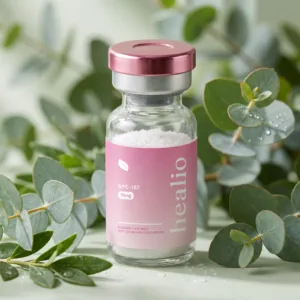
BPC-157
Recovery + Gut Support
$79.00SizeAdd to Cart10mg -
Gut Health
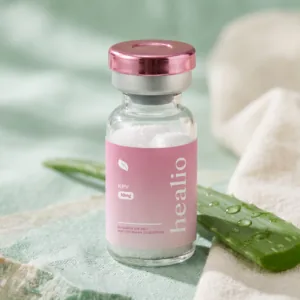
KPV
Gut + Inflammation Support
$89.00SizeAdd to Cart10mg -
Longevity
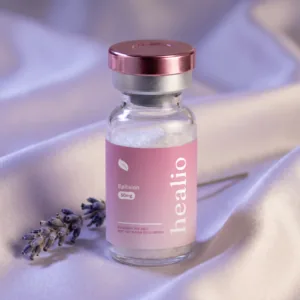
Epitalon
Longevity + Sleep Support
$99.00SizeAdd to Cart50mg -
Healing
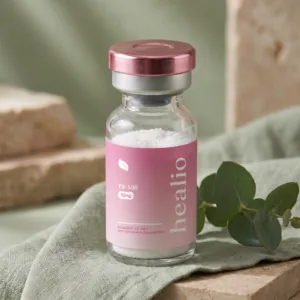
TB-500
Tissue Repair + Recovery
$99.00SizeAdd to Cart10mg -
2-in-1 Stack
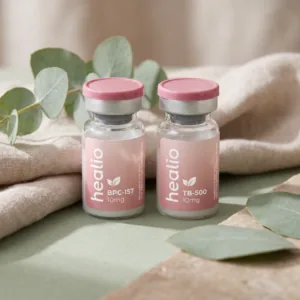
The RESTORE Stack
Recovery + Repair Duo
$152.00
Research notes
How healing and recovery peptides are studied
This is the group where the research and the internet disagree most. The published work is mostly done in animals or in dishes, on one kind of tissue at a time. The conversation online tends to flatten all of that into one big promise. Worth knowing which one you are reading.
BPC-157 and tissue repair research
BPC-157 is a piece of a protein found in stomach juice, which is where the odd name comes from: body protection compound. Its research covers more ground than most single peptides. Tendons and ligaments, muscle, and a large amount of work on the lining of the gut. That gut research is why it shows up in studies about irritation as often as in studies about repair.
TB-500 and how tissue rebuilds
TB-500 is a lab-made copy of part of a natural protein, and the research looks at how cells move around. That sounds like a small thing. It is actually the step that has to happen before any tissue can rebuild itself, because the right cells have to reach the right spot first. BPC-157 and TB-500 get studied side by side often enough that the RESTORE Stack pairs them for less.
KPV and inflammation research
KPV is a three-piece peptide and its research is about calming irritation rather than rebuilding structure. It turns up in gut studies and skin studies for the same underlying reason. If your work is about swelling rather than a torn tendon, this is the one to read first.
Epitalon, sleep and recovery
Epitalon sits in this collection as well as in anti-aging peptides. Bodies do not repair at the same rate all day long, so recovery research keeps bumping into sleep and daily rhythm whether it planned to or not.
Which recovery peptide fits your research
BPC-157 is the most asked-for compound we sell and has the widest research behind it. TB-500 covers how cells travel. KPV handles irritation. Epitalon brings in the daily rhythm side. The RESTORE Stack pairs the first two below the price of both.
Every vial comes with a test report from an outside lab, published on our research page. They arrive as a dry powder and need bacteriostatic water before use.
People studying repair often read skin and tissue structure and cellular energy too, since rebuilding anything takes a lot of energy.
For laboratory research only. Not for people or animals, not a medicine or supplement, and nothing here claims anything about healing in a person.
Keep exploring
Related collections
Questions
Tissue repair and BPC-157 questions, answered
Different mechanisms and different literature. BPC-157 derives from a gastric protein and has a large research thread on gut lining alongside its tendon and muscle work. TB-500 comes from thymosin beta-4 and its research centres on actin regulation and cell migration. They are studied together often, which is why the RESTORE Stack pairs them.
Both, depending on the compound. BPC-157 and TB-500 sit mostly in tissue repair and remodelling research. KPV runs through inflammatory signalling instead. Which one fits depends on what you are actually measuring.
Combination protocols appear regularly in the literature, which is the reason we offer them pre-paired. Whether a combination suits your work is a protocol design question rather than a product one.
Yes, and that is one of the largest threads in its literature. The compound is a fragment of a protein found in gastric juice, so gut research was where it started before the tendon and muscle work followed.
98% minimum, verified by HPLC at an independent third-party lab, with mass spectrometry confirming identity. The certificate of analysis for your batch is published rather than summarised, and any batch under the threshold does not ship.