
The Collection
Energy & Focus Peptides
MOTS-c, SS-31, pinealon and selank, studied for how cells make energy and how the brain uses it. Checked by an outside lab, with the report published for your batch.
-
EnergyBest Seller
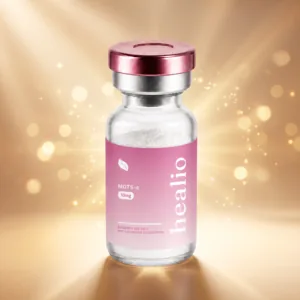
MOTS-c
Metabolic + Mitochondrial Support
From $95.00This product has multiple variants. The options may be chosen on the product pageSizeAdd to Cart -
Cell Energy

SS-31
Cellular Energy + Anti-Aging
$139.00SizeAdd to Cart50mg -
Mood
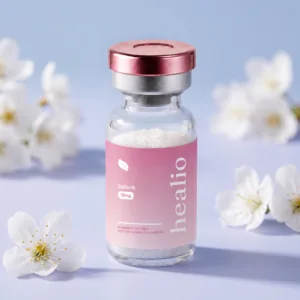
Selank
Calm + Mood Support
$79.00SizeAdd to Cart10mg -
Brain Health

Pinealon
Focus + Mental Performance
$59.00SizeAdd to Cart10mg
Research notes
What energy and focus peptides do inside a cell
Energy is a vague word in wellness and a very precise one in biology. The research here is about how cells make power, measured in dishes and in tissue. It is not about feeling perkier at three in the afternoon. Keeping those two meanings apart is most of the job in this category.
MOTS-c and mitochondrial research
Cells have tiny batteries called mitochondria. In 2015 researchers found something surprising: those batteries send out their own messages to the rest of the cell. MOTS-c is one of them. The research since has looked at how that message relates to the way the body handles food and exercise, so it also sits in peptides for weight loss.
SS-31 and cellular energy
SS-31 is not made by the batteries. It is designed to collect in the battery wall and keep it steady, because a leaky wall means energy production drops off. That is why it also appears in anti-aging peptides. You will see it called elamipretide in some papers. Same compound, two names.
Pinealon, selank and cognitive research
Your brain is about 2% of your body weight and uses roughly 20% of your energy while you are sitting still doing nothing. That gap is the reason brain research and cell energy research keep landing on the same compounds.
Pinealon is the one studied directly in brain tissue. Selank comes at focus from the other side. Its research is about calm rather than stimulation, about turning noise down rather than turning power up. Neither is a stimulant, and neither has research about test scores or getting more done in a day. Selank also appears in women's wellness peptides, where stress and hormones overlap.
Which energy peptide fits your research
MOTS-c comes in a few sizes and is where to start if your question is about how the body handles food and energy. SS-31 costs the most, which reflects how far it has gone in clinical development. Pinealon is the cheapest peptide we sell and a sensible place to begin. Selank covers stress and mood.
Every batch is tested by an outside lab for purity and identity, with the report on our research page. Everything ships dry and needs bacteriostatic water. Repair research runs next door in healing and recovery peptides.
For laboratory research only. Not medicine, food or supplements, and not for people or animals to take.
Keep exploring
Related collections
Questions
Mitochondrial and cognitive peptide questions
Compounds studied for how cells generate energy and how neural tissue depends on that supply. Some are mitochondrial, working on ATP production and membrane integrity. Others act on neural signalling and stress response. The grouping reflects that the brain is the most energy-expensive tissue in the body, so the two questions keep meeting.
MOTS-c is a signalling peptide encoded in mitochondrial DNA, identified in 2015. Research on it centres on metabolic regulation and how mitochondria communicate with the nucleus, with a substantial thread on exercise response.
Yes, they are the same compound under two names. SS-31 is the research designation, elamipretide the pharmaceutical development name. You will see both in the literature, sometimes in the same paper.
Stress response and anxiolytic activity, via GABAergic signalling. Selank is a synthetic analogue of tuftsin developed in Russia, and its literature is about lowering interference rather than raising capacity, which is a different question from what nootropic marketing usually implies.
No, and the comparison misleads. Stimulants act on neurotransmitter systems to change perceived alertness. The compounds here are studied at the level of ATP production, mitochondrial membrane integrity and neural tissue markers, which is cell biology rather than a subjective effect.