
The Collection
Anti-Aging Peptides
Epitalon, pinealon, SS-31, GHK-Cu and MOTS-c: the compounds behind most longevity research. Each one is checked by an outside lab, and we publish the report for the exact batch you get.
-
Longevity
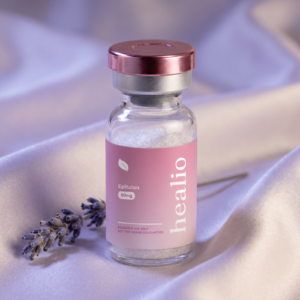
Epitalon
Longevity + Sleep Support
From $59.99This product has multiple variants. The options may be chosen on the product pageSizeAdd to Cart -
Beauty BlendBest Seller
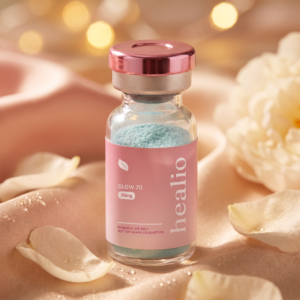
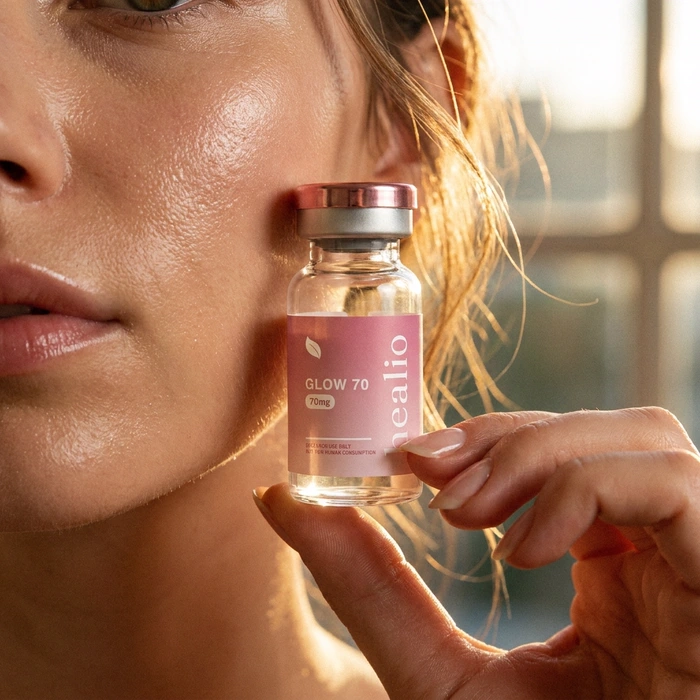
GLOW 70 Peptide Blend
Skin + Collagen + Repair Blend
$104.99SizeAdd to Cart70mg -
EnergyBest Seller
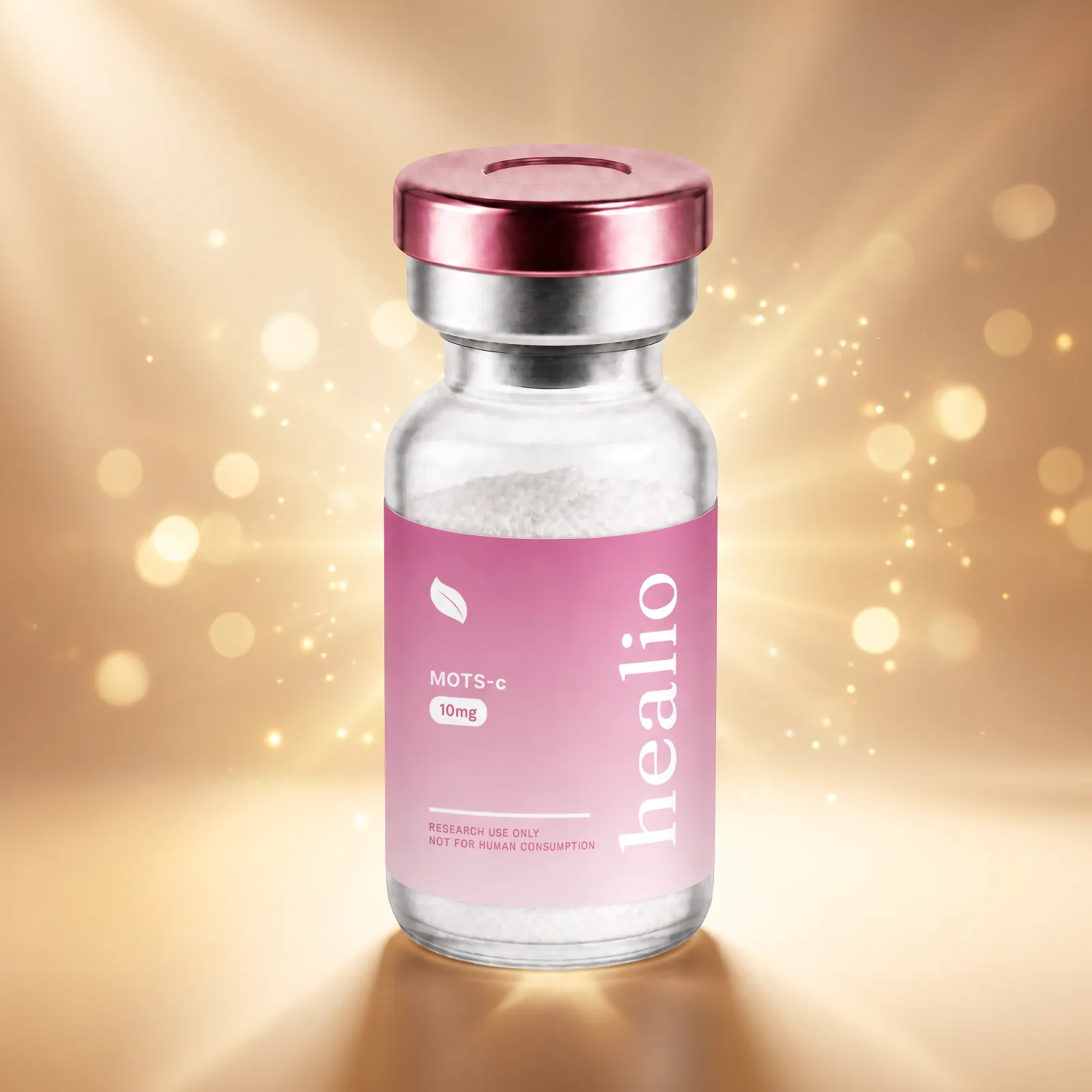
MOTS-c
Metabolic + Mitochondrial Support
$59.99SizeAdd to Cart10mg -
Cell Energy
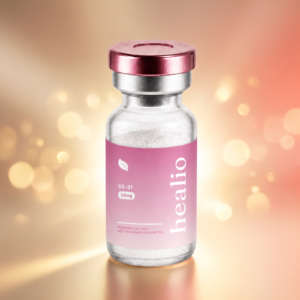
SS-31
Cellular Energy + Anti-Aging
$54.99SizeAdd to Cart10mg -
Brain Health
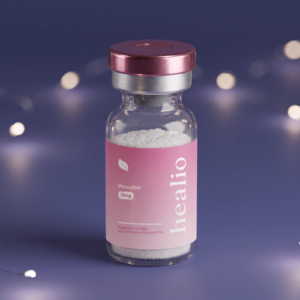
Pinealon
Focus + Mental Performance
$49.99SizeAdd to Cart10mg -
Skin & HairBest Seller
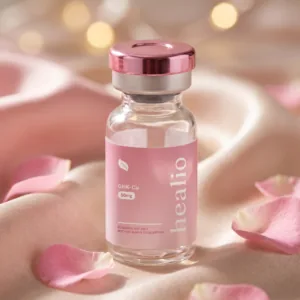
GHK-Cu
Skin + Hair Improvement
From $34.99This product has multiple variants. The options may be chosen on the product pageSizeAdd to Cart -
Repair BlendBest Seller
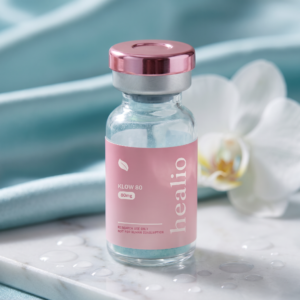
KLOW 80 Peptide Blend
Repair + Anti-Inflammatory Blend
$119.99SizeNotify Me80mg
More peptides, goal by goal.
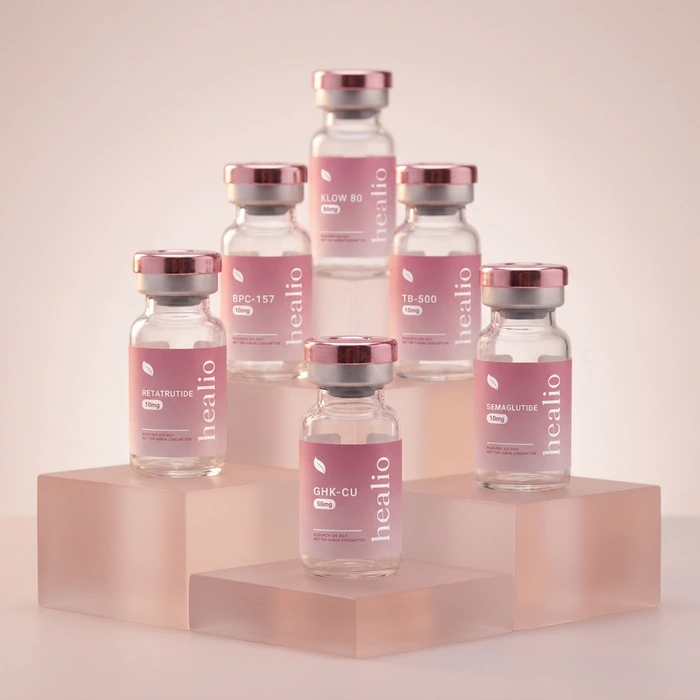
In Real Life
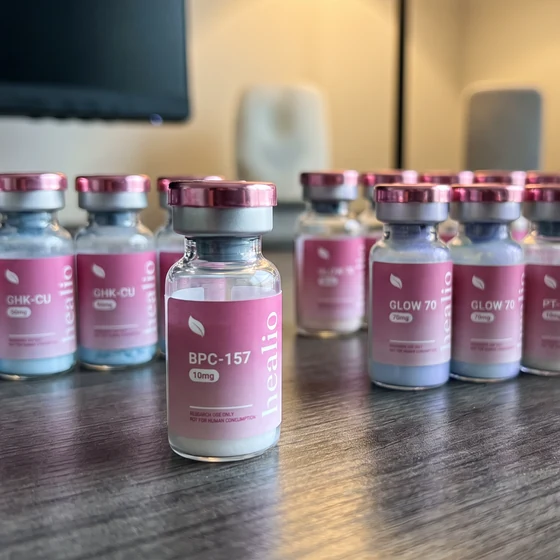
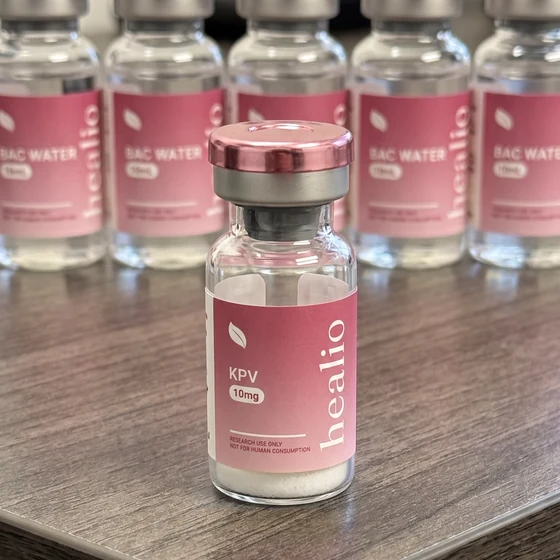
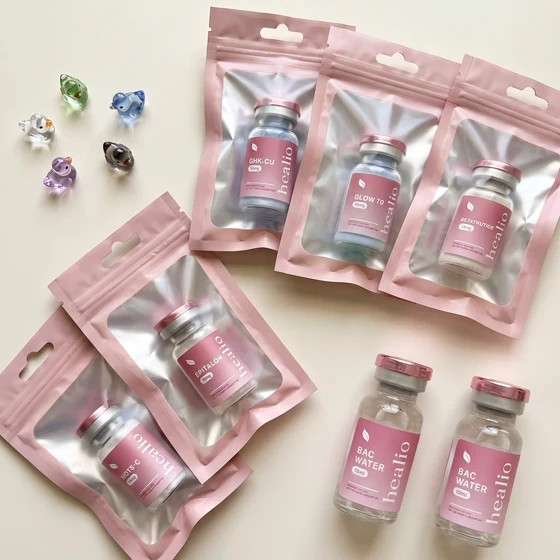
Healio Peptides In The Wild
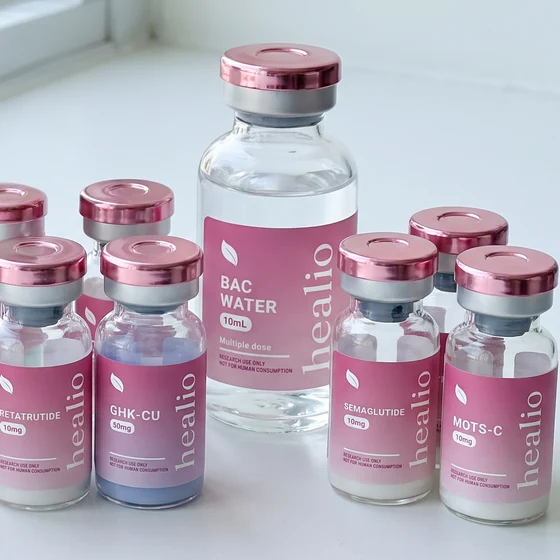
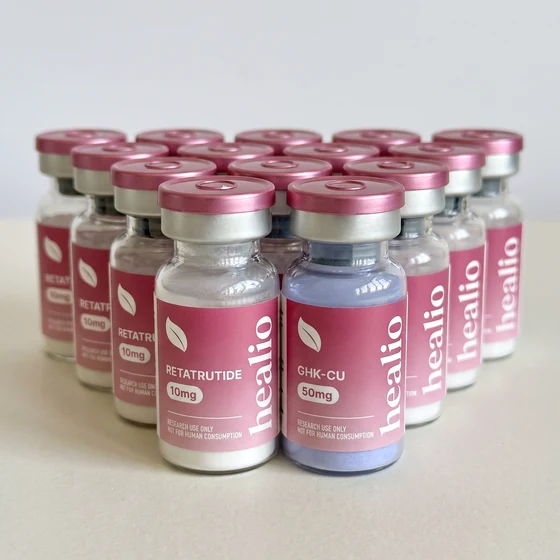
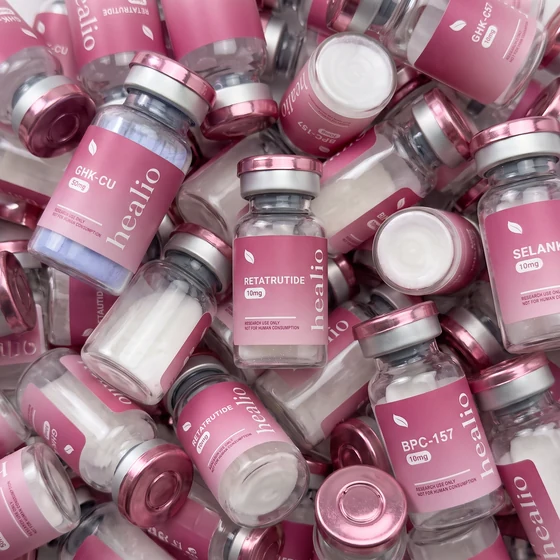
Research notes
Anti-aging peptides in plain language
What anti-aging peptides are grouped by
Anti-aging peptides sounds like one thing. It is really four separate ideas that happen to share a shelf. The compounds here work in completely different parts of a cell, and grouping them by hope rather than by how they work hides that.
Anti-aging peptides and telomere research
Every strand of DNA has a protective cap on each end, a bit like the plastic tip on a shoelace. Those caps are called telomeres, and they get shorter each time a cell divides. Epitalon is studied for its effect on the enzyme that keeps them in good repair. It came out of Russian research going back to the 1970s, so it has a long paper trail.
Anti-aging peptides that work on cellular energy
Cells have tiny batteries called mitochondria. SS-31 is built to gather in the battery wall and hold it steady, because a leaky wall means the cell makes energy less well. MOTS-c comes at the same problem from the inside: it is a message the batteries send out to the rest of the cell. Both also appear in peptides for energy.
Pinealon and brain ageing research
Pinealon is a short peptide studied in brain tissue. Brain ageing is its own field, separate from the rest of the body, and pinealon is the one here that belongs to it.
GHK-Cu and tissue repair
Skin and other tissue are held together by a kind of scaffolding. GHK-Cu does its work there. The amount of it in blood falls measurably with age, which is what got researchers interested in the first place. It leads peptides for skin and beauty.
Which anti-aging peptide is right for your research
There is no ranking to give, because these are not competing for the same job. Asking about DNA caps and asking about cell batteries are unrelated questions. Read what each one actually does before choosing which research you want to build on.
Epitalon has the longest history. SS-31 targets the batteries. Pinealon covers brain tissue and costs the least. GHK-Cu handles the scaffolding, and MOTS-c links the batteries to the rest of the body. GLOW 70 pairs GHK-Cu with BPC-157 and TB-500 in one vial.
Every batch is tested by an outside lab, with the independent test report published for each one. Everything arrives dry and needs bacteriostatic water.
Collections related to anti-aging peptides
Repair research runs right alongside this in peptides for healing. The collagen side is covered in peptides for skin and beauty, and the mitochondrial side in peptides for energy. Hormone change with age comes up in women's wellness peptides.
For laboratory research only. Not medicine, not supplements, not for people or animals, and nothing here has been reviewed by the FDA.
Keep exploring
More peptide collections to explore
Questions
Longevity and cellular ageing questions, answered
Short amino acid chains studied for their activity on measurable markers of cellular ageing: telomere length, mitochondrial function, extracellular matrix integrity and neural tissue maintenance. The category name describes the research question, not a demonstrated effect.
GHK-Cu, by volume, with fifty years of published work since its isolation in 1973. Epitalon has a long but more geographically concentrated record, most of it from Russian institutes. SS-31 has the least history but the most active current clinical research programme.
No. Both came out of the same Russian peptide bioregulator research tradition, which is why they get confused, but they are different sequences with different targets. Epitalon research centres on telomerase. Pinealon research centres on neural tissue.
Combination protocols are common in this area precisely because the mechanisms do not overlap. Whether combining them is appropriate is a question for your protocol design, not something we can answer generically.
Nothing meaningful. The two terms are used interchangeably for the same group of compounds, with anti-aging being the more common search term and longevity the more common one in published literature.