BPC-157 for Sale
The recovery and gut-health research staple.
$59.99 30% off
BPC-157 is a synthetic peptide derived from a protein found in gastric juice. It is one of the most popular research peptides for tissue repair, gut-lining and inflammation studies.
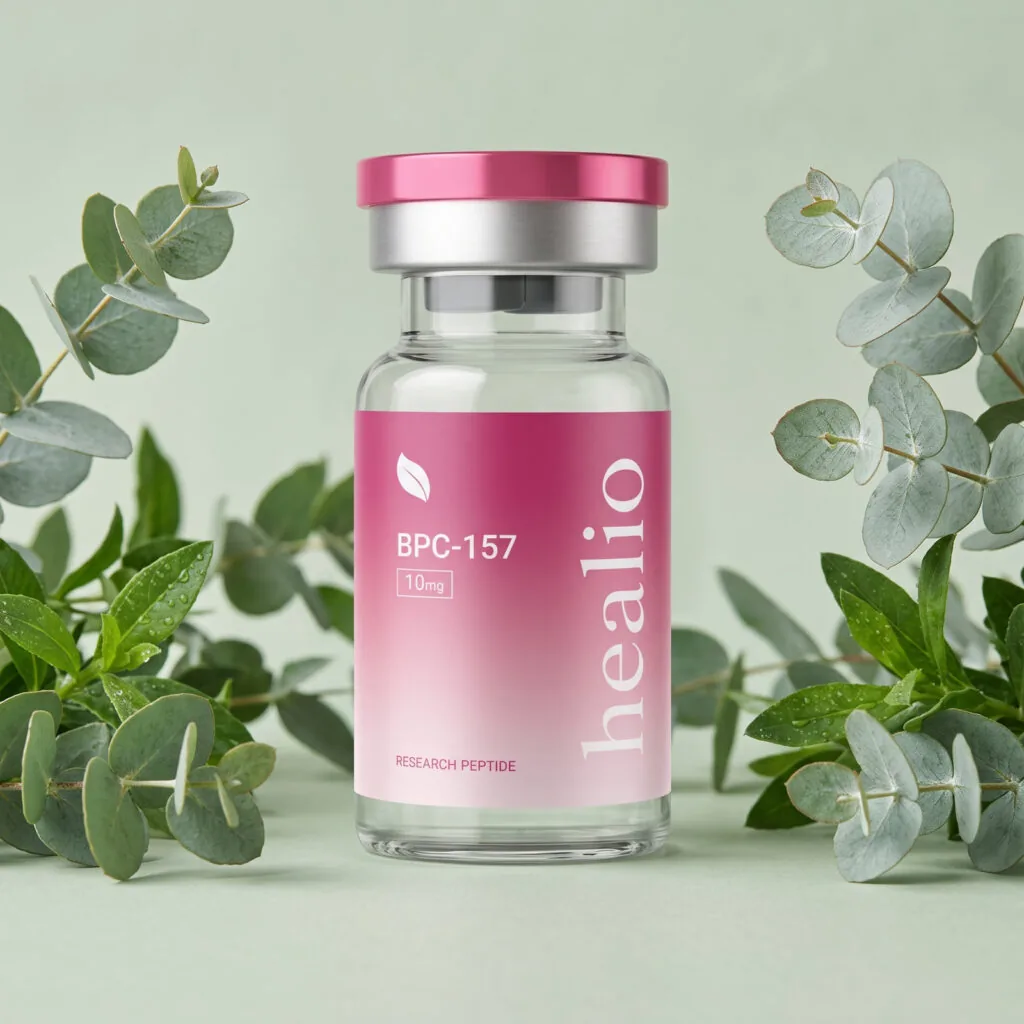
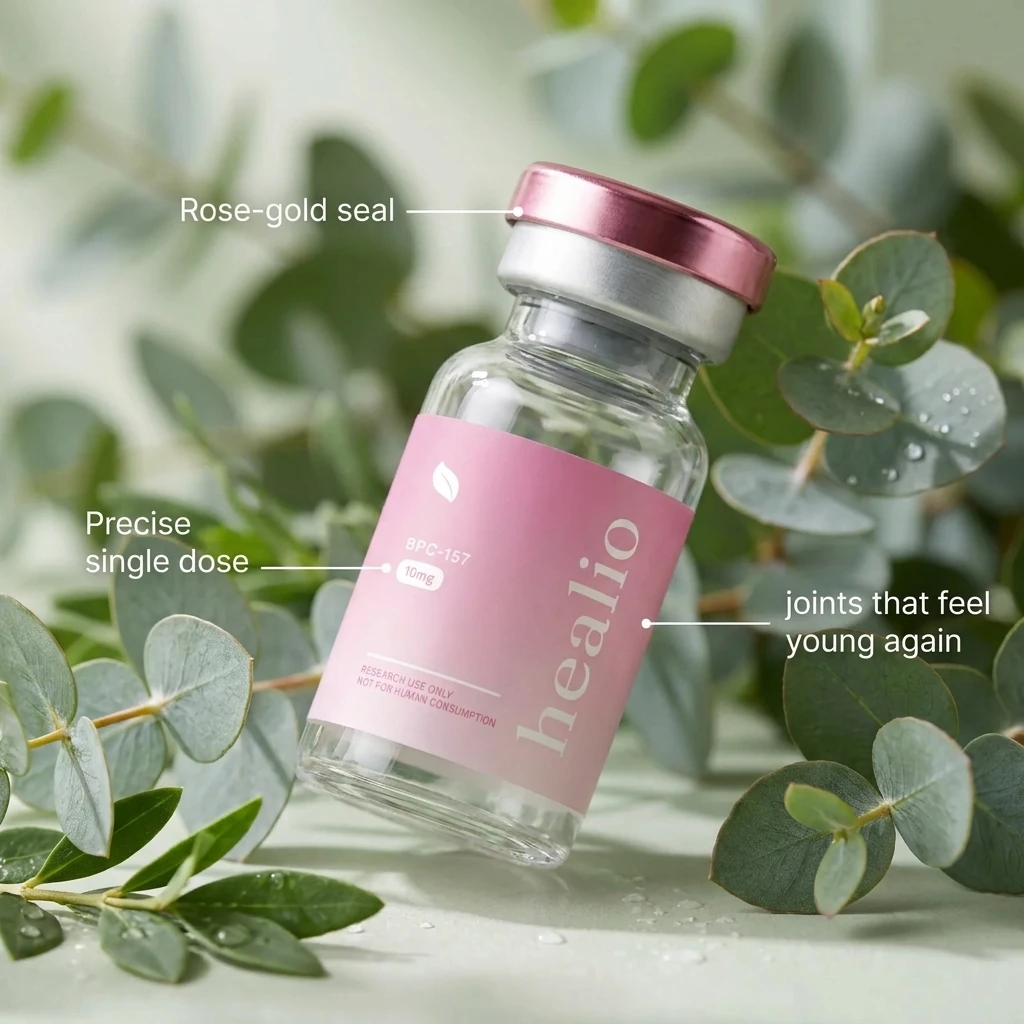
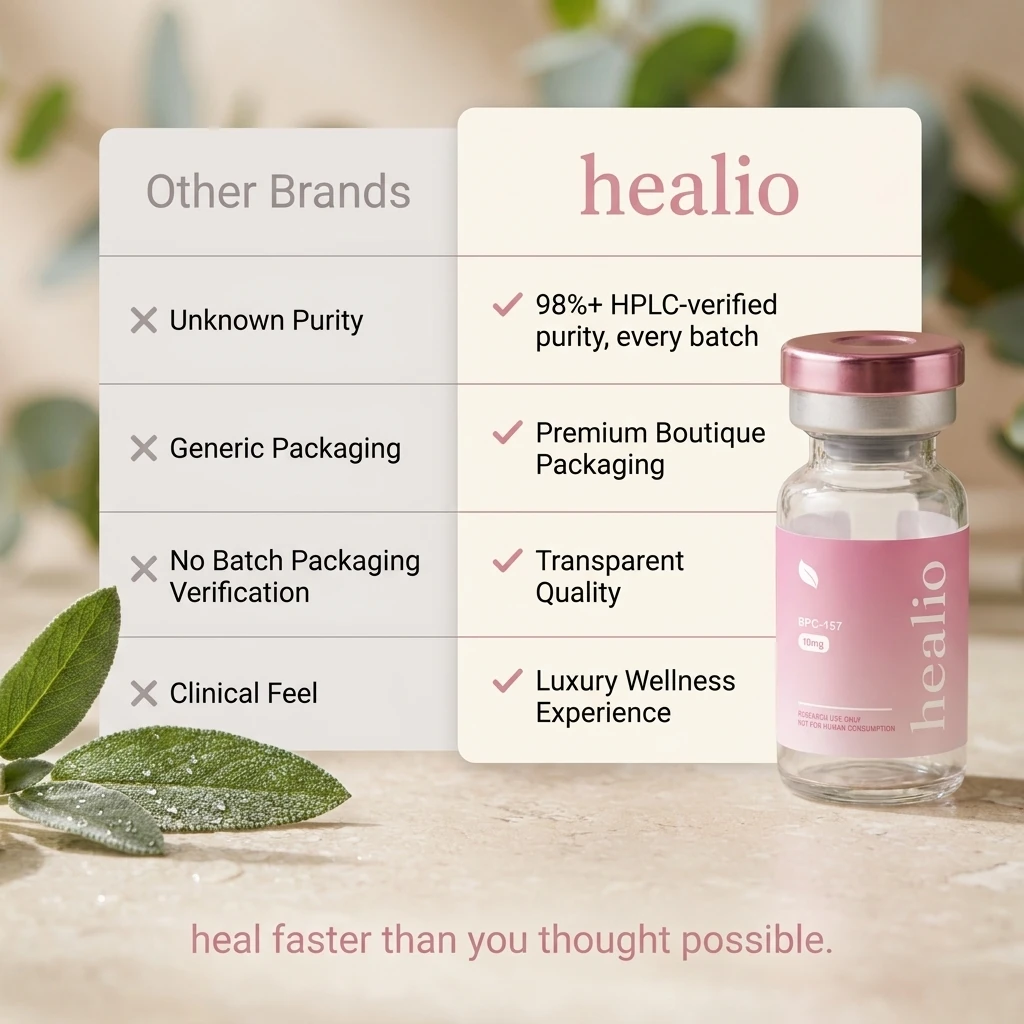
Buy BPC-157 online from Healio. BPC-157 for sale comes as a 10mg vial, supplied as a research peptide for laboratory use only and shipped from the USA with the batch certificate of analysis published before you order. You can order BPC-157 straight from this page.
What is BPC-157?
BPC-157, short for Body Protection Compound 157, is a synthetic pentadecapeptide: a stable fragment of a protein found naturally in human gastric juice. It is the single most researched compound in the tissue repair category and the one researchers ask about most when looking for a BPC-157 source with verifiable purity.
The sequence is a partial fragment rather than a full protein, which is what gives it stability in solution and makes it practical to work with in a laboratory setting.
BPC-157 research applications
The published literature concentrates on tendon and ligament healing, gastrointestinal lining integrity, and angiogenesis, the formation of new blood vessels. That last mechanism does much of the explanatory work: better vascularisation at a repair site improves delivery of everything a healing process requires.
It is worth being precise about the evidence. Almost all of this research is preclinical, conducted in cell culture and animal models. It is substantial, consistent and genuinely interesting, and it is not the same as controlled human trial data, which does not meaningfully exist for this compound. For a plain-language walk through the studies, read what BPC-157 does in research.
How BPC-157 works
Research describes several proposed mechanisms operating together. The angiogenic effect appears to involve VEGF signalling pathways. There is work on growth factor receptor expression in tendon fibroblasts, and separate research on nitric oxide system interaction. In gastrointestinal models the focus is on mucosal integrity.
Its notable practical characteristic is stability. BPC-157 resists degradation in gastric acid, which is unusual for a peptide and one reason it has been studied across a wide range of model systems.
BPC-157 and TB-500 together
These two are studied as a pair more often than either is studied alone, because the mechanisms are complementary rather than overlapping. BPC-157 research emphasises blood vessel formation at the repair site. TB-500 research emphasises cell migration and actin regulation, which is about getting repair cells to that site and organising structural proteins once they arrive. The pairing is covered in depth in BPC-157 and TB-500.
Healio supplies the two together, alongside GHK-Cu, in the GLOW 70 blend, and with KPV added as well in KLOW 80. The research behind the pairing is covered in peptides for recovery.
BPC-157 reconstitution and handling
BPC-157 ships lyophilized and is reconstituted with bacteriostatic water before use in solution. Introduce the diluent slowly down the inside wall of the vial rather than directly onto the powder, and allow it to dissolve without agitation. Peptides degrade under shear force, so do not shake. Bacteriostatic water is stocked separately, and the BPC-157 calculator turns vial strength and water volume into a concentration.
BPC-157 storage and stability
Lyophilized BPC-157 is stable long term at minus 20 degrees Celsius in the sealed original vial, protected from light. Reconstituted solution requires refrigeration and has a substantially shorter usable window. Avoid repeated freeze and thaw cycles.
BPC-157 price
BPC-157 10mg is $59.99 per vial, which works out to $6.00 per mg. Ordering more than one vial lowers the price of every vial in the order. The table shows the BPC-157 price per vial and per mg for every size. That BPC-157 cost is the price per vial before shipping. For the best price per vial on BPC-157, order three or more.
| Size | Vials in order | Price per vial | Price per mg |
|---|---|---|---|
| BPC-157 10mg | 1 vial | $59.99 | $6.00 |
| 2 vials 5% off | $56.99 | $5.70 | |
| 3 or more vials 10% off | $53.99 | $5.40 |
Prices are in US dollars. The multi-vial discount is applied automatically in the cart. Shipping is free on orders over $185.
Where to buy BPC-157 in the US
If you are comparing a BPC-157 vendor, start with the paperwork. The best place to buy BPC-157 is one where BPC-157 comes with a lab report you can read before you pay. Five checks separate a reliable US source from a reseller, and this is how Healio meets each one.
- A certificate of analysis for the exact batch. The BPC-157 report for batch HEALIO-BPC157-2605 is published before you order, not emailed after you have paid.
- Testing by a lab that is not the seller. The report comes from Quantum Life Sciences in Portland, Maine, an independent laboratory, and carries its own certificate number.
- Identity as well as purity. HPLC measures how pure the powder is. Mass spectrometry (ESI-MS) confirms that it is BPC-157 in the first place. A report with only one of the two is half a report.
- A lot number you can trace. The lot number on your vial ties to its own report, so you can check the document against the product in your hands.
- US dispatch and plain terms. Orders ship from the United States, and the shipping and returns policy is public before you buy.
For a longer look at judging any supplier, read the best peptide companies.
BPC-157 lab results
The current BPC-157 batch was tested on 23 June 2026 by Quantum Life Sciences. The certificate covers the 10 mg vial. Purity is measured by HPLC and identity is confirmed by mass spectrometry. The summary below is taken from the certificate of analysis. Reading the BPC-157 COA takes a minute: purity by HPLC, identity by mass spectrometry and endotoxins are in the first rows.

| Batch | HEALIO-BPC157-2605 |
|---|---|
| Lot number | BPC157-260620-05 |
| Purity (HPLC) | 99.5% (specification 98.0% or higher) |
| Identity (ESI-MS) | Confirmed, conforms to the reference standard (1419.56) |
| Mass found | 10.07 mg (labeled 10 mg) |
| Endotoxins (LAL) | Under 0.5 EU/mg (limit 5 EU/mg) |
BPC-157 reviews: is Healio a legit BPC-157 source?
Reading BPC-157 reviews and complaints, or asking whether a BPC-157 brand is legit? The useful evidence is what you can check yourself, because reviews only help if you can check them.
- Match the lot number on your vial to the BPC-157 certificate of analysis.
- Look up the testing laboratory named on the certificate and confirm it is not Healio.
- Read how the content on this site is written and checked on the editorial standards page.
- If a seller will not publish a batch report for the product you are buying, treat that as your answer.
BPC-157 payment and shipping
Looking for fast BPC-157 shipping? Orders ship from the United States to US addresses. Weekday orders placed before 2:00 PM ET usually go out the same business day, and later orders go the next business day. For BPC-157 overnight shipping, choose Next Day Air at checkout. Transit is usually 2 to 10 business days, which is a carrier estimate and not a guarantee. Pay by credit or debit card at checkout.
| Shipping option | Price |
|---|---|
| Standard Shipping (Ground) | $14.99 (free over $185) |
| 2-Day Air | $23.99 |
| Next Day Air | $54.99 |
All sales are final. Read the full shipping and returns policy before you order.
BPC-157 research tools and guides
- BPC-157 calculatorTurn vial strength and water volume into concentration and syringe units. Arithmetic only.
- BPC-157 certificate of analysisThe full lab report for the current batch.
- BPC-157 and TB-500Why the two are studied as a pair.
- TB-500 for saleThe peptide most often researched alongside BPC-157.
- GLOW peptide blend for saleBPC-157 with GHK-Cu and TB-500 in one vial.
- KLOW peptide blend for saleGLOW with KPV added.
- What BPC-157 does in researchA plain-language read of the studies.
- BPC-157 vs TB-500The two compared side by side.
- Bacteriostatic water for saleThe diluent used to reconstitute lyophilized peptides.
- BPC-157 vs KLOWOne compound against the four-compound vial.
- All peptide comparisonsBPC-157 against KPV, GHK-Cu, SS-31, GLOW and more.
Research focus
- Tissue recovery research
- Gut-lining and digestive studies
- Inflammation response models
- Tendon and connective-tissue research
Who it’s for
For researchers focused on
| Scientific name | Body Protection Compound-157 |
|---|---|
| CAS number | 137525-51-0 |
| Molecular formula | C62H98N16O22 |
| Molecular weight | 1419.5 g/mol |
| Sequence | GEPPPGKPADDAGLV |
| Purity | 99%+ (HPLC) |
| Form | Lyophilized powder |
| Appearance | White to off-white powder |
Store the lyophilized powder at -20°C, protected from light. Brief exposure to room temperature during shipping does not affect stability.
After reconstitution, keep refrigerated at 2 to 8°C and use within the research window. Do not freeze the reconstituted solution.
For laboratory research use only. Reconstitute with bacteriostatic water and handle with appropriate protective equipment.
Working out the water volume? Use the BPC-157 calculator.
-
EssentialBest Seller
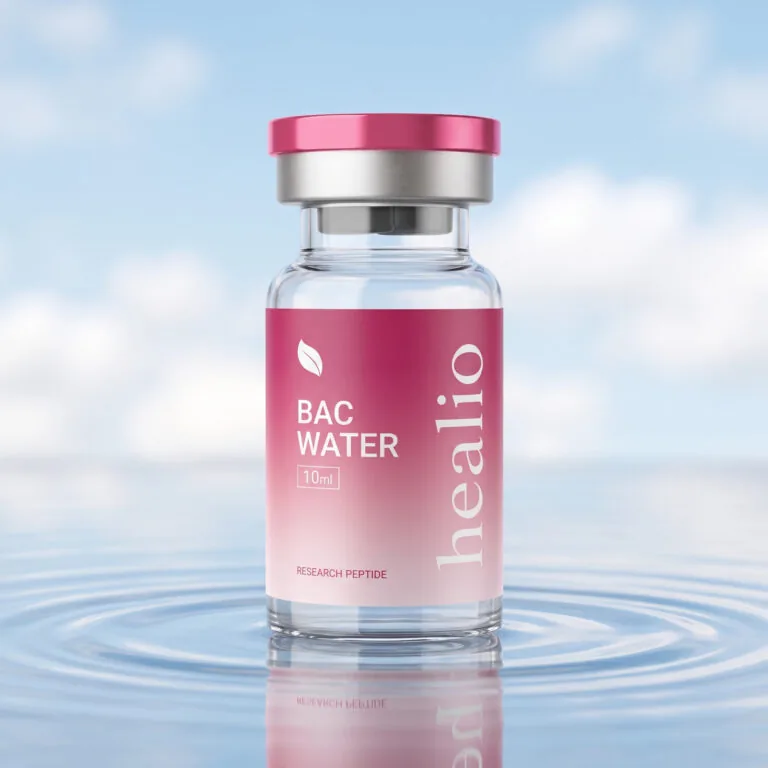
Bacteriostatic Water 10ml
Sterile Reconstitution Water
$9.99SizeAdd to Cart10 mL -
Beauty BlendBest Seller
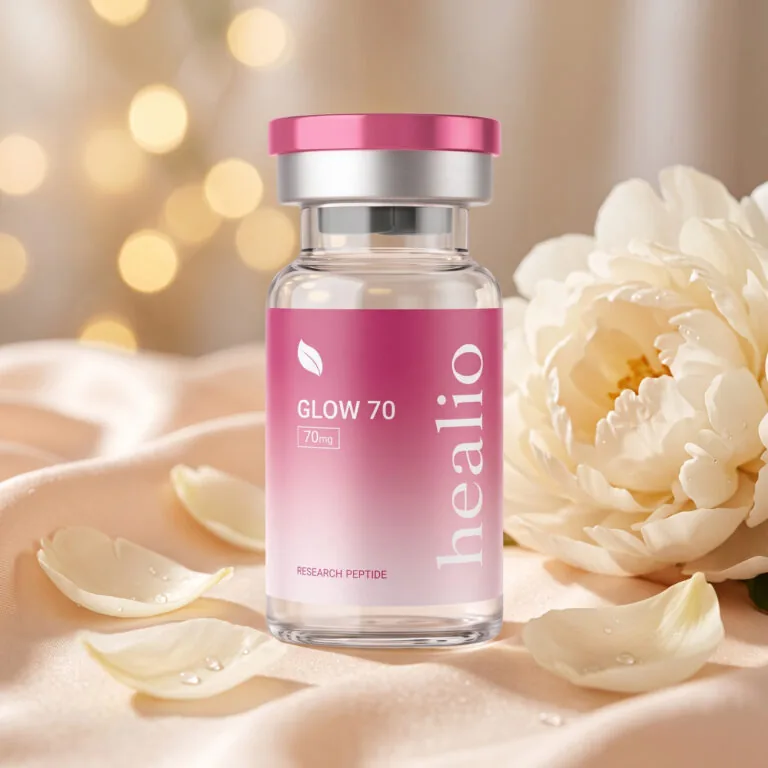
GLOW Peptide Blend (GLOW 70)
Skin + Collagen + Repair Blend
$104.99SizeAdd to Cart70mg -
Skin & HairBest Seller
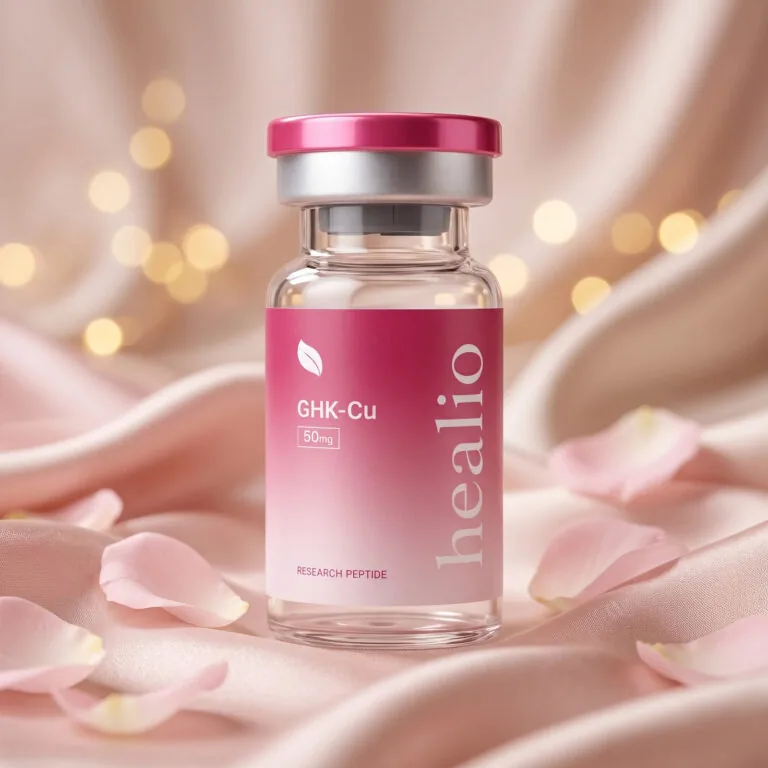
GHK-Cu
Skin + Hair Improvement
From $34.99This product has multiple variants. The options may be chosen on the product pageSizeAdd to Cart -
EnergyBest Seller
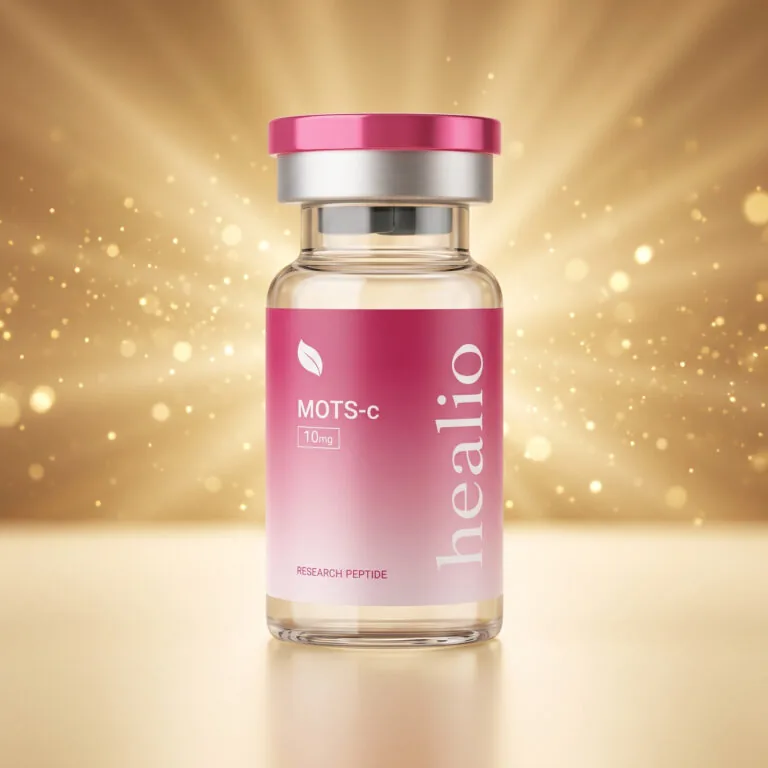
MOTS-c
Metabolic + Mitochondrial Support
$59.99SizeAdd to Cart10mg
BPC-157 FAQ
Where can I buy BPC-157 in the US?
Healio sells BPC-157 direct from the United States, with the batch certificate of analysis published before you order. It is supplied for laboratory research use only.
How much does BPC-157 cost?
A 10mg vial of BPC-157 is $59.99, about $6.00 per mg. Ordering two vials brings each to $56.99 and three or more brings each to $53.99. Shipping is free on orders over $185.
Is Healio BPC-157 third-party tested?
Yes. Each batch is tested by an independent US laboratory for purity by HPLC and for identity by mass spectrometry. The current batch measured 99.5% purity with identity confirmed, and the full report is on the BPC-157 COA page.
How fast does BPC-157 ship?
Weekday orders placed before 2:00 PM ET usually ship the same business day. Standard ground is $14.99 and free over $185, 2-Day Air is $23.99 and Next Day Air is $54.99. Delivery times are carrier estimates and are not guaranteed.
What payment methods does Healio accept?
Credit and debit cards, paid at checkout.
How do I reconstitute BPC-157?
Lyophilized BPC-157 is reconstituted with bacteriostatic water. The BPC-157 calculator converts vial strength and water volume into concentration and syringe units. It is arithmetic only and does not recommend an amount.
Is BPC-157 for human use?
No. Healio supplies BPC-157 strictly for laboratory research. It is not for human or veterinary use, and it is not a drug, supplement, food or cosmetic.