
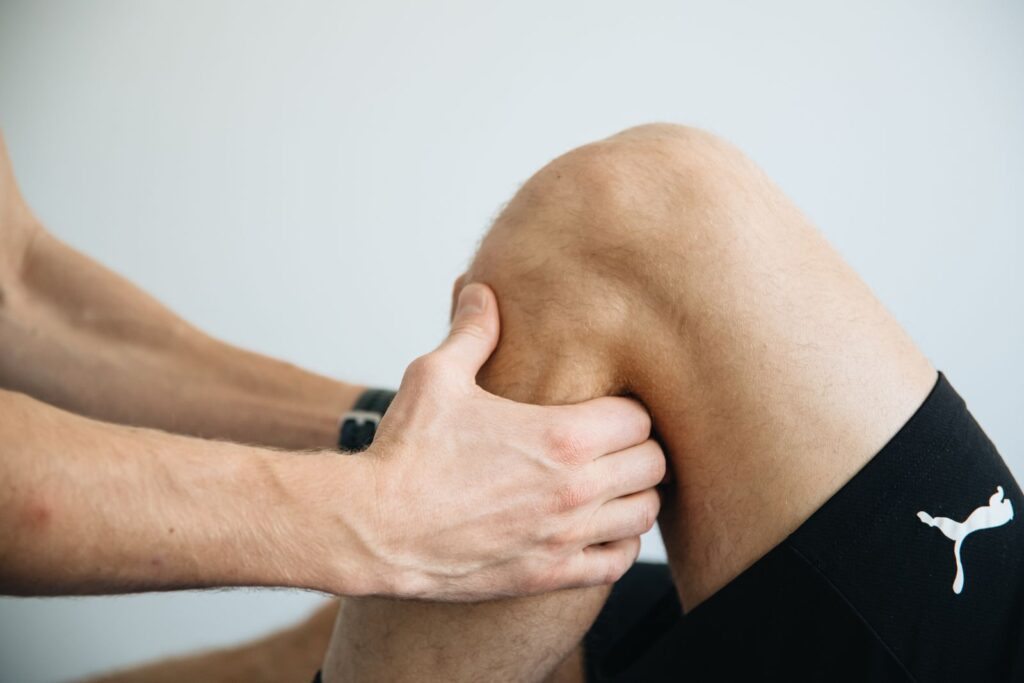
BPC-157 is discussed in healing contexts more than any other compound in this catalog, and the gap between how confidently it is discussed and what the research actually contains is unusually wide.
The research is real and it is preclinical. That combination produces a specific problem: a genuine body of mechanistic work that gets described as though it established human outcomes. This guide covers what the studies examined, which repair processes are implicated, why the animal model evidence does not translate straightforwardly, where the human data would need to come from, and how to read claims about this compound. Verification is a separate problem, handled separately. Nothing here is guidance for personal use.
What BPC-157 is and where it came from
BPC-157 is a synthetic peptide of fifteen amino acids, corresponding to a partial sequence identified within a protein found in gastric juice. The name stands for body protection compound, which is a research designation rather than a description of demonstrated effect.
The gastric origin is worth noting because it shaped the research direction. Early work examined gastrointestinal contexts, which is where the compound’s protective and repair-related properties were first characterised, and the wider tissue repair investigation followed from there.
It is supplied as a lyophilized powder, typically 10mg. Healio stocks BPC-157 in that presentation, and getting it into solution is the first handling step.
What the BPC-157 healing research examined
The literature clusters into several areas, and being specific about which is which is the whole analytical task here.
Gastrointestinal models. The earliest and most substantial body of work, examining protective and repair effects on gastric and intestinal tissue in animal models. The BPC-157 gut research is where this compound started.
Connective tissue models. Studies examining tendon and ligament repair in animals, which is the research most often cited in injury contexts. Tendon repair is the claim most often made from it.
Blood vessel formation. Work examining effects on angiogenesis, the formation of new blood vessels, which is a plausible mechanism connecting the compound to repair generally since new tissue requires blood supply.
Inflammatory signalling. Studies examining inflammatory markers, mostly in the same animal models.
Every one of these is animal or cell model work. There is no controlled human clinical trial establishing repair outcomes for this compound.
The proposed mechanisms and how confident to be about them
Mechanistic explanations for BPC-157 circulate widely and are frequently stated with more certainty than the literature supports.
The most commonly cited involve angiogenesis, effects on growth factor signalling, and influence on inflammatory pathways, a thread treated separately in the BPC-157 inflammation research. These are coherent proposals supported by observations in models.
What has not happened is convergence on a single well-characterised primary mechanism, which is the open question in what BPC-157 does. Different studies emphasise different pathways, and the compound’s proposed effects are broad enough that a unifying explanation has not clearly emerged.
That breadth is worth reading carefully rather than enthusiastically. A compound reported to influence many processes is either genuinely fundamental or is being observed loosely across studies with varying rigor. Distinguishing those two possibilities requires the kind of systematic work that has not been done here. A well-characterised peptide mechanism looks different from this.
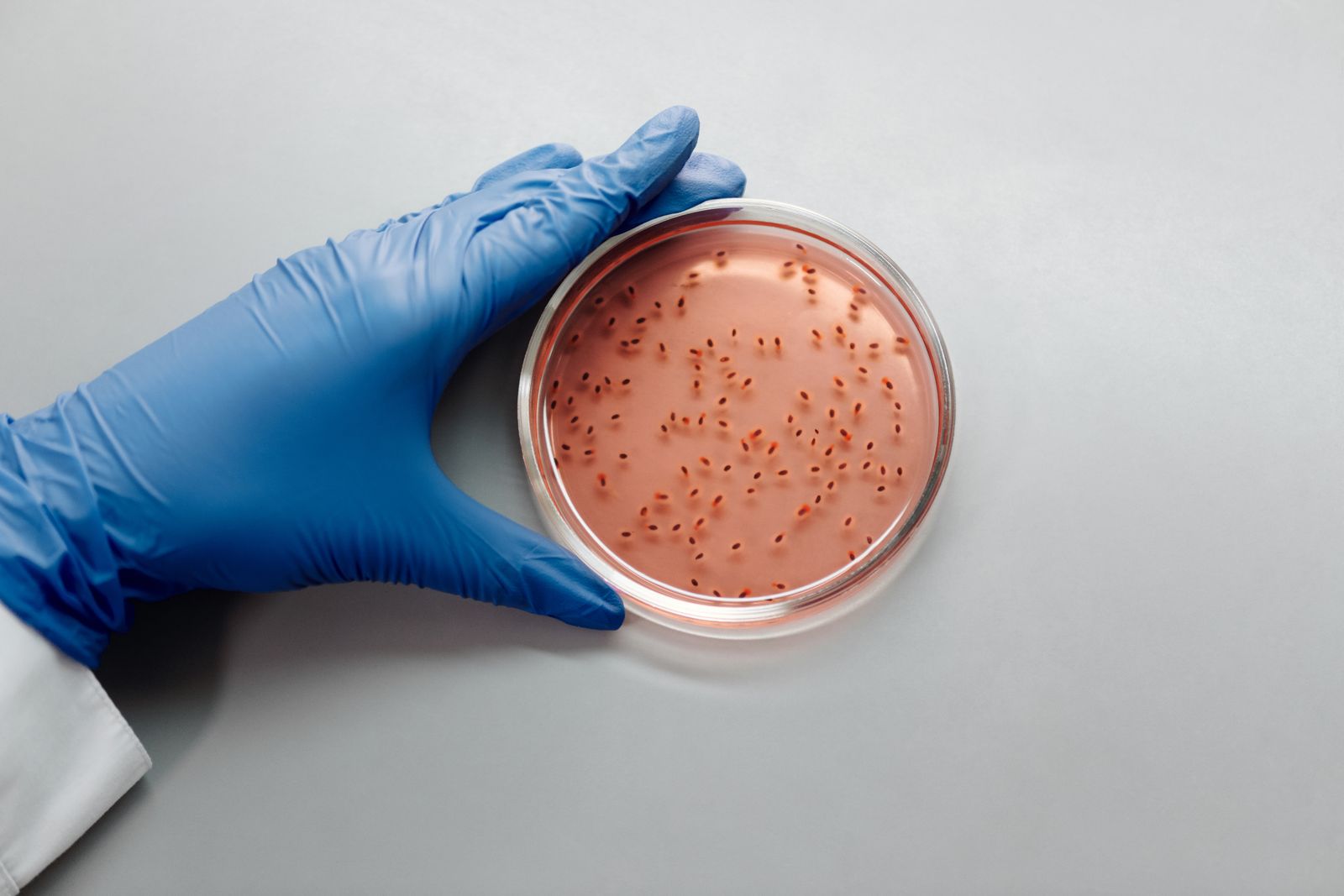
Why animal repair models do not translate directly
This is the crux, and it deserves more than a disclaimer.
Animal repair models involve a controlled injury, a measured intervention and assessment over a defined period. They are informative about whether a compound influences a process. They are not small human trials.
Species differences are substantial. Rodent tissue repair proceeds on different timescales with different characteristics from human repair. A finding in one does not scale to the other by simple adjustment.
Injury models are simplified by design. A controlled experimental injury is reproducible precisely because it is unlike the varied, complicated damage that occurs in practice, and that simplification is a feature of the model rather than a flaw in it.
Quantities used in animal studies do not map onto humans straightforwardly, and translation is not a matter of scaling by body mass.
And translation failure is the norm across pharmacology generally. The majority of compounds with promising animal results do not replicate in human trials, and that is with the trials being run. Here they have not been.
BPC-157 for healing injuries: the direct answer
People searching this are usually dealing with something specific, which makes a straight answer more useful than a hedge.
There is no human clinical trial evidence that BPC-157 heals injuries. Not tendon, not ligament, not muscle, not post-surgical. The research examines repair processes in animal models, which is a different claim.
What circulates instead is anecdotal reporting, and that reporting has specific problems beyond being uncontrolled. Injuries heal on their own, which means recovery has an obvious alternative explanation. Nobody reporting knows what was actually in their vial. And people who perceive improvement report far more often than those who do not, which skews the visible record regardless of what the compound does.
Post-surgical recovery and joint repair are narrower contexts with the same problem.
Where BPC-157 sits alongside TB-500
The two are discussed together constantly, and the reasoning is worth examining rather than assuming.
The argument is that they act on different parts of the repair process. BPC-157 is studied around angiogenesis and tissue repair signalling. TB-500 relates to a protein involved in cytoskeletal regulation, which governs how cells change shape and migrate.
Since repair requires both new blood supply and cells reaching the damaged area, addressing both is a coherent rationale for combination.
It is also a rationale rather than a finding. Combination studies are far thinner than single-compound work, and evidence for two compounds separately is not evidence for them together. The case for pairing BPC-157 with TB-500 is worth reading in full, and the TB-500 research is thin in its own right.
BPC-157 for women
The evidence gap here is specific and rarely acknowledged.
Preclinical research on this compound has used male animal models disproportionately, and where female animals were included, results were not consistently analysed by sex.
The relevant physiological differences are documented independently. Connective tissue properties, inflammatory response and repair timelines differ by sex in the broader studies, which makes the absence of sex-stratified analysis a real gap rather than a formality.
What can be said about BPC-157 in women is very little, and the same evidence gap in peptide research on women runs across the catalog.
What a human BPC-157 trial would require
Worth spelling out, because it clarifies why the gap exists and why it is unlikely to close soon.
A trial establishing that BPC-157 aids injury repair in people would need a defined injury type with a measurable healing endpoint, a control group receiving placebo, enough participants to detect a real effect against natural healing variation, blinding so neither participants nor assessors know the allocation, and a duration long enough for repair to complete.
That is an expensive undertaking, and it requires a sponsor. Sponsors fund trials where a commercial return follows, which generally means a patentable compound with a clear regulatory pathway.
BPC-157 does not offer that easily. It is a partial sequence of a naturally occurring protein, which complicates the patent position, and there is no obvious approval pathway that a supplier of research compounds would be positioned to pursue.
So the compound occupies a stable and somewhat frustrating position: enough preclinical work to sustain genuine interest, no economic mechanism to convert that into human evidence, and a market that has grown large without the research advancing. Why most peptides lack human data is structural rather than accidental.
BPC-157 and the gastric research it started from
The earliest work is worth returning to, because it is the most developed part of the evidence base and the least discussed in injury contexts.
The sequence was identified within a protein found in gastric juice, and the initial research examined protective effects on gastric and intestinal tissue in animal models. That is where the compound’s characterisation began.
Two things about that origin matter for reading the wider research record. The gastrointestinal work is the deepest part of the evidence base, which sits oddly with the fact that the compound is discussed almost entirely in musculoskeletal contexts.
And the extension from gastric tissue to tendon and ligament was itself an extrapolation, made by researchers rather than by marketers, but an extrapolation nonetheless. Findings in one tissue type do not automatically describe another, and the connective tissue work had to be done separately rather than inherited.
That gastrointestinal work carries the same preclinical caveats that apply everywhere else with this compound.
How to read BPC-157 claims
A short method, since this compound attracts more overstatement than most.
Find the species. Almost every finding traces to a rodent model. That is legitimate research and it is not a human result.
Find the model. Gastric, tendon, or something else. Findings in one tissue do not automatically describe another.
Watch for the pivot. The characteristic move is an accurate paragraph about animal research followed by a paragraph about human injury, joined by nothing but adjacency.
Notice absent limitations. Honest coverage of a preclinical compound is mostly limitations, because that is what a preclinical evidence base consists of.
Check whether the vial is verified. An unverified compound makes every other question moot, which is why verification comes first.
BPC-157 for healing: frequently asked questions
Does BPC-157 help healing?
Animal and cell model research examines effects on repair processes including angiogenesis and tissue repair signalling. There is no human clinical trial evidence establishing healing outcomes in people, which is a different claim from the model findings.
What has BPC-157 actually been studied for?
Gastrointestinal protection and repair, connective tissue repair in animal models, blood vessel formation, and inflammatory signalling. All of it is preclinical, conducted in animal or cell models rather than in human trials.
Does BPC-157 heal tendons?
Animal studies have examined tendon repair, and no human clinical trial has established tendon healing outcomes. What the BPC-157 tendon studies measured was healing in animals.
Why do animal results not transfer to humans?
Species differ substantially in repair timescales and characteristics, experimental injury models are deliberately simplified, quantities do not scale straightforwardly, and translation failure is the norm across pharmacology generally.
Are the anecdotal reports meaningful?
Very little. Injuries heal on their own, providing an obvious alternative explanation, nobody reporting knows what was in their vial, and people perceiving improvement report far more often than those who do not.
Why is BPC-157 combined with TB-500?
Because they are studied around different parts of repair, angiogenesis versus cell migration, which makes combination coherent as a rationale. Combination studies are far thinner than single-compound work, which is where the case for pairing BPC-157 with TB-500 weakens.
Is BPC-157 studied in women?
Preclinical work has used male animal models disproportionately and results were not consistently analysed by sex, despite documented sex differences in connective tissue properties and repair timelines.
Has BPC-157 mechanism been fully characterised?
No. Different studies emphasise different pathways and no single primary mechanism has clearly emerged. The breadth of proposed effects is worth reading carefully rather than as evidence of importance.
Referenced in this area, each with its batch certificate published before purchase: KPV. The peptides for healing collection carries the wider range.
Real research, at the stage it is actually at
BPC-157 has a substantial preclinical research and no human trial evidence, and both halves of that sentence matter. The compound is genuinely interesting to researchers for reasons that are legible in the mechanism work. It has not been shown to heal anything in a person, and the confident content saying otherwise is describing a study that has not been run. The healing collection holds the compound, every batch independently tested before it ships.
Related reading
- BPC-157 Peptides: Sourcing and Verification, the part a buyer controls.
- BPC-157 and TB-500, the pairing and its reasoning.
- Best Peptides for Healing, the category sorted by evidence.
- Peptides for Recovery, the wider research area.
- Peptide calculator, for concentration figures on single compounds and blends.